
DK Safety Solutions mobile logo
Bird Spikes Installation in Guindy for ledges, parapets, AC units, signage, and pigeon perch control.

Guindy Chennai bird spikes installation

Bird Spikes Installation in Guindy for ledges, parapets, AC units, signage, and pigeon perch control.

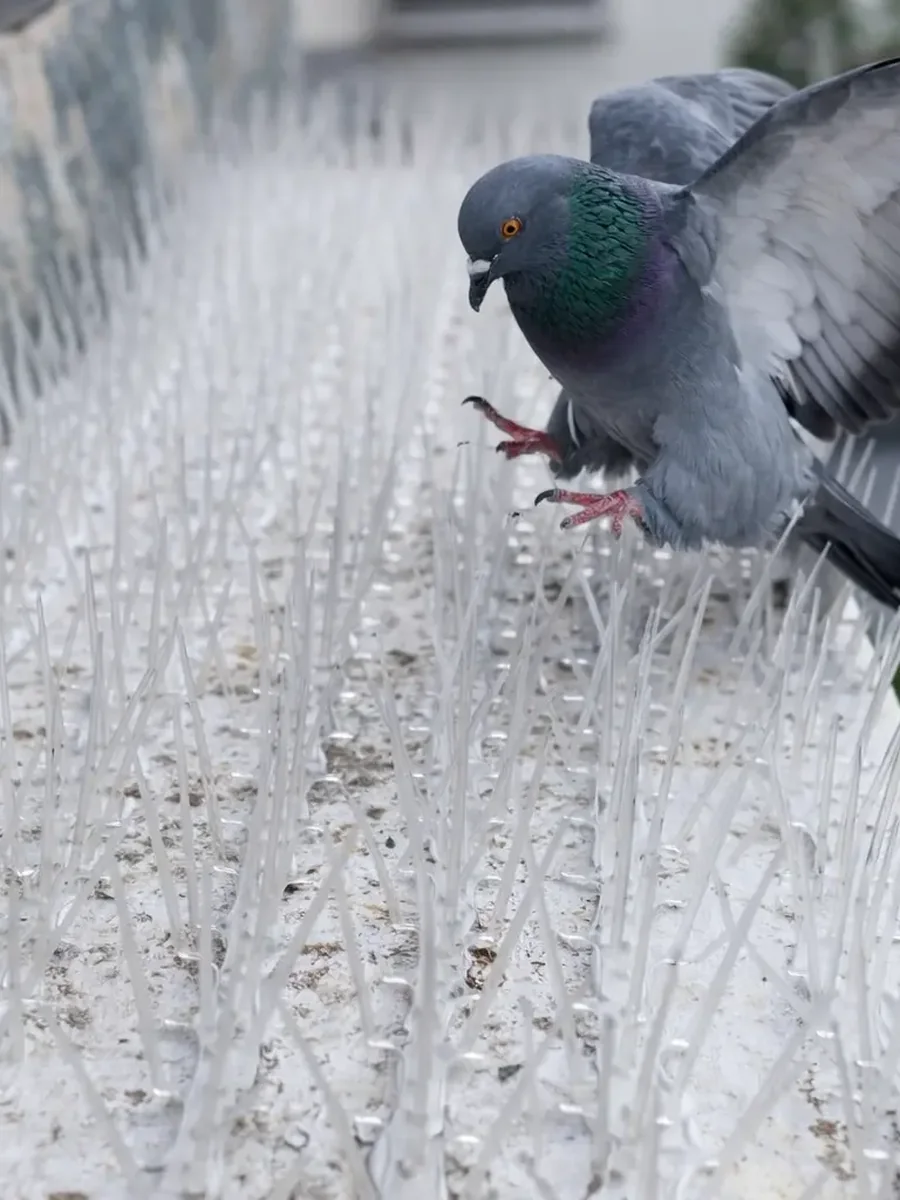
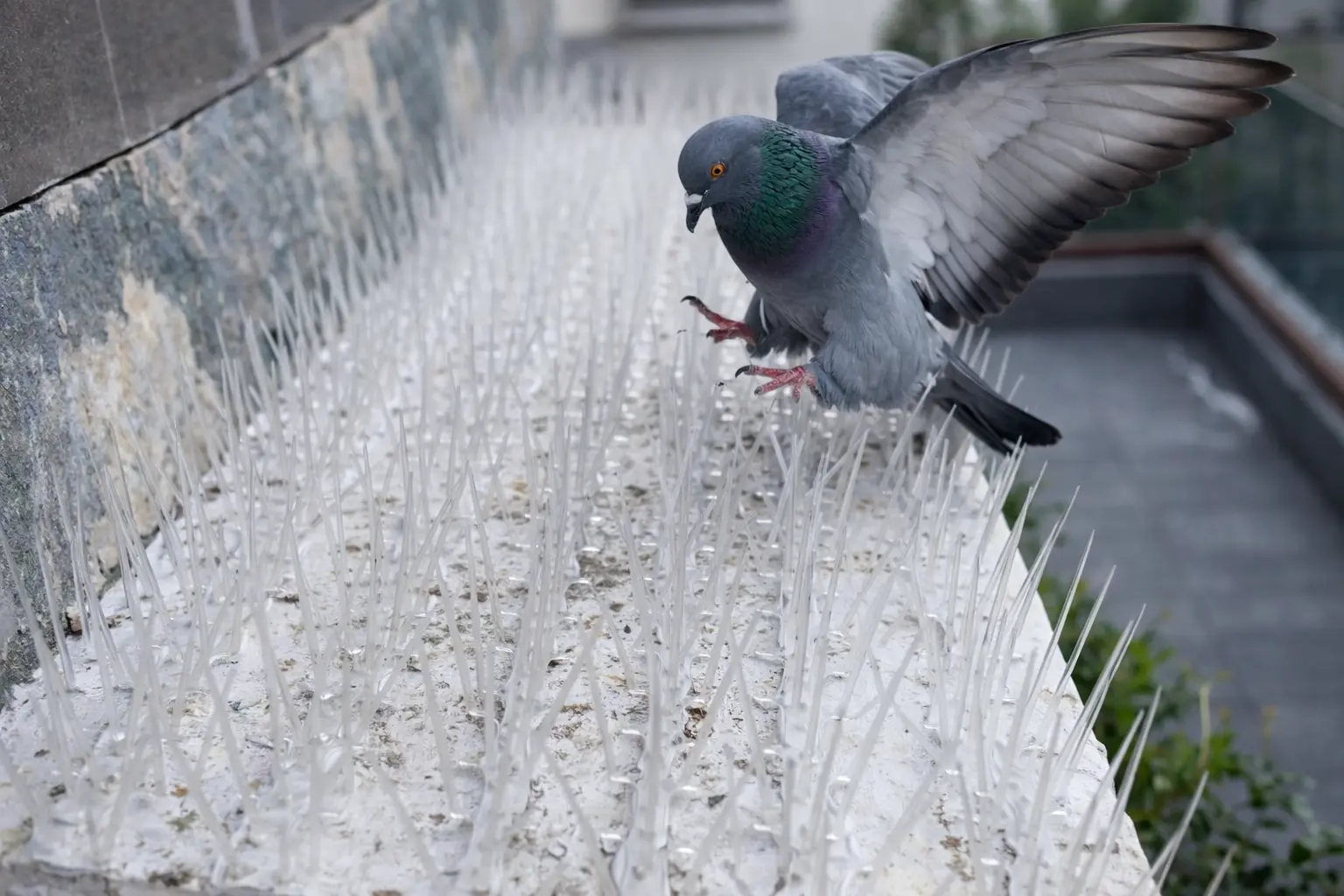
Guindy buildings often deal with pigeons sitting on ledges, signage, parapets, AC units, balcony edges, and commercial fronts. Bird spikes should be used where birds perch, not where they need a full net enclosure, and the installation should be neat, humane, and serviceable.

Article Details

Full service notes

This page explains the area condition, service route, fixing choices, access needs, and contact steps before a site visit.

Use it to compare the real site requirement before choosing material, access method, and finishing style.

Perch Control Focus

Written for mixed residential, commercial, and transport-side buildings where pigeons perch on exposed edges.

Service Checks Depth

This page is written and validated as a full area service entry.

Spike FAQs

Questions cover ledges, AC units, signage, nets versus spikes, pricing, cleaning, and service support.

Why Guindy bird spikes should be installed only after perch mapping

Bird spikes work right when pigeons are perching on a ledge, parapet, signboard, AC unit, pipe, or narrow building edge. They are not the right answer for every bird problem. If birds are entering an open balcony or nesting inside a shaft, anti bird nets may be better. Guindy has both types of issues because it mixes apartments, offices, shops, traffic-facing buildings, and older structures.

A good bird spike installation starts by identifying where the bird sits before the mess appears. Droppings below a ledge, feathers near a sign, stains under an AC unit, or repeated nesting material can reveal the perch. Installing spikes on the wrong surface wastes money and leaves the bird route active.

This Guindy notes explains bird spikes for ledges, parapets, AC units, signage, commercial fronts, apartment edges, humane deterrence, cleaning, and quote comparison. It is a detailed area notes, not a thin bird-control page.

Perch Mapping

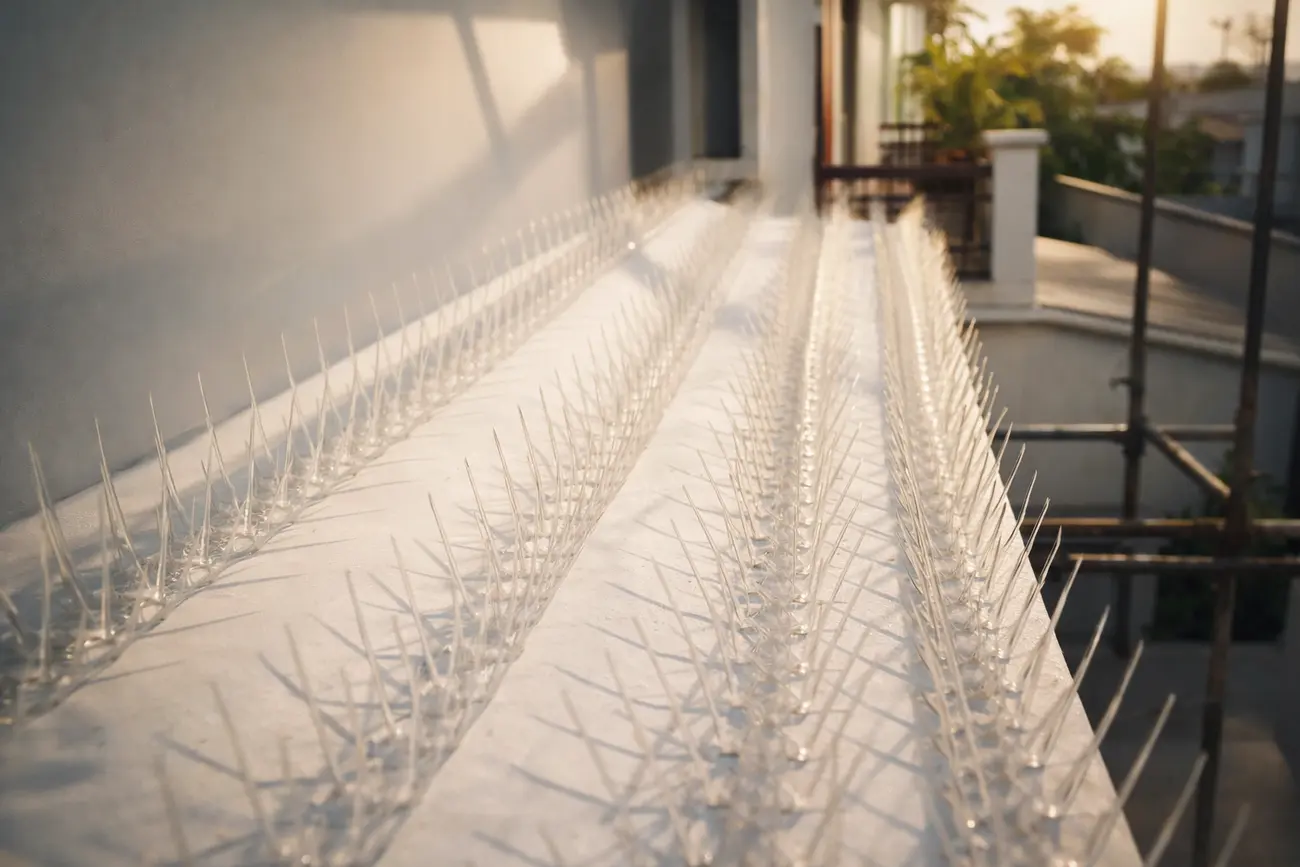
Spikes should follow the bird's resting spot

Pigeons choose stable edges where they can sit safely. In Guindy, those edges may be building signage, window projections, AC brackets, compound walls, balcony parapets, or commercial ledges. The installer should inspect droppings and bird movement before deciding where spikes are needed.

Installing spikes everywhere is not good checks. The correct line targets the perch while avoiding unnecessary visual clutter. This keeps the work cleaner and focuses the budget where it solves the problem.
Spikes should follow the bird's resting spot

Spikes Versus Nets

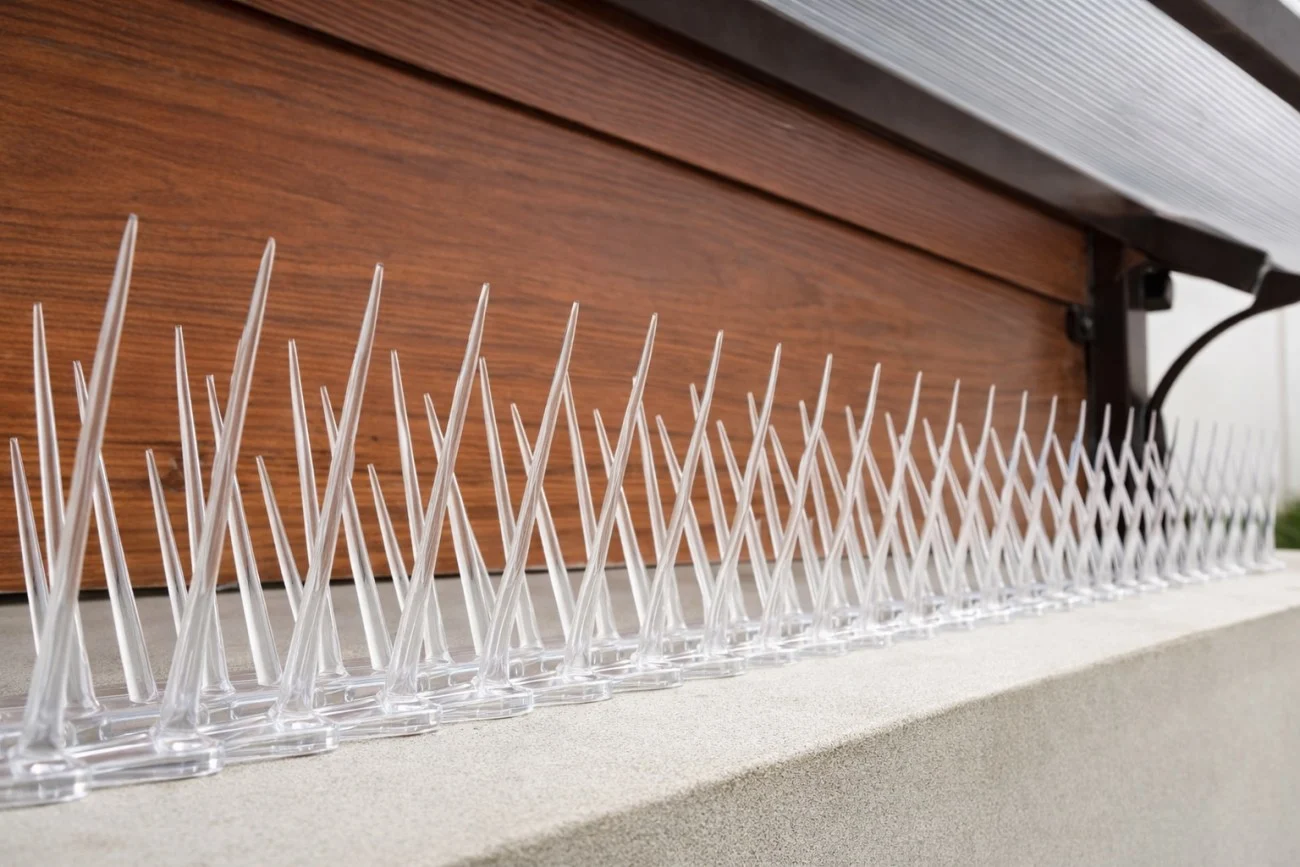
Choose spikes for perching and nets for entry control

Bird spikes discourage birds from sitting on a surface. Anti bird nets block birds from entering an opening. If pigeons are nesting inside a balcony, duct, or service area, spikes alone may not work. If birds only sit on a narrow ledge, spikes may be cleaner than a full net.

A professional recommendation should explain this difference. Guindy customers should be cautious if every problem is answered with the same product. The correct method depends on bird behavior.
Choose spikes for perching and nets for entry control

AC Units

Outdoor unit ledges need service-friendly spike checks

Pigeons often sit on AC outdoor units, brackets, and nearby ledges. Spikes can help, but they should not block future AC service. The installer should plan placement so technicians can still reach panels, pipes, and brackets safely.

If birds are nesting behind the unit rather than only sitting on top, spikes may need to be combined with netting or another closure. The site visit should separate perching from nesting before quoting.

Commercial Fronts

Shops and offices need bird control that looks neat

Guindy commercial fronts can collect droppings on signboards, shutters, entrance ledges, and customer-facing areas. Bird spikes should reduce perching without making the storefront look harsh or careless. Alignment and clean fixing matter because customers see the surface daily.

Commercial work may need timing outside business hours. The quote should include access, ladder safety, cleaning preparation, and whether signage or lighting needs special care. A neat job protects both hygiene and brand appearance.

Humane Deterrence

Bird spikes should discourage landing without trapping birds

Properly installed bird spikes are deterrents. They make a ledge uncomfortable for perching, guiding birds to choose another place. They should not trap birds, block active nests irresponsibly, or create sharp hazards for people who maintain the building.

The installer should check for existing nests and explain how the area will be cleaned before installation. Responsible bird control is practical and humane. It prevents repeated mess without treating every surface aggressively.

Surface Preparation

Cleaning before spike installation improves adhesion and finish

Bird spikes should not be fixed over heavy droppings, dust, or loose paint. The surface should be cleaned and inspected so the fixing holds properly. Guindy buildings near roads may collect dust quickly, so preparation matters.

If the surface is damaged, cracked, or oily, the installer may need a different fixing approach or recommend repair first. Good preparation helps spikes stay aligned and reduces future maintenance.

Apartment Edges

Residential ledges need discreet lines and association clarity

Apartment residents may need spikes on balcony ledges, window projections, or parapets. Association approval may be required if the spikes are visible from outside. A clean line and suitable color can make the installation less intrusive.

Residents should confirm whether spikes can be installed on shared exterior surfaces. If the ledge belongs to the building facade, maintenance teams or association members may need to approve the work before installation.

Quote Scope

Bird spike quotes should identify each ledge and surface

Bird spike cost depends on ledge length, height, access, surface type, spike material, cleaning requirement, and whether the work is residential or commercial. A clear quote should list the ledges included instead of giving one vague number.

Send photos of droppings, ledges, AC units, signage, parapets, and access points. The installer should explain whether spikes alone are enough or whether nets are needed for entry points. That honesty prevents repeat work.

Access Safety

High ledges and signage need safe work checks

Bird spikes are often installed in awkward places: above shopfronts, on parapets, near signage, or outside upper-floor windows. Guindy work may require ladders, timing control, and care around traffic or pedestrians. Access should be discussed before the price is finalized.

A rushed ledge job can be unsafe for workers and poor for the customer. The installer should explain how the team will reach the surface, whether business hours matter, and whether cleaning is included before spikes are fixed.

After-Installation Monitoring

Watch whether birds shift to a nearby untreated ledge

Bird spikes can move pigeons away from one ledge, but birds may test a nearby untreated surface. After installation, residents should watch where droppings appear. If the mess moves a few feet away, the solution may need a short extension or a different method.

This is why the first scope should consider the full perch zone, not only one dirty spot. A careful installer will mention possible migration points and help the customer decide whether to cover them immediately or monitor them later.

Mixed Building Types

Guindy jobs may combine residential, office, and shopfront needs

Guindy has homes near commercial streets, offices near transport routes, and shops below apartments. Bird control may need to protect a residence, a customer entrance, and a signboard in the same visit. The installer should separate each surface and explain the method for each.

This mixed-use setting makes scope clarity important. A parapet may need spikes, a balcony may need a net, and a signboard may need cleaning before installation. Treating the whole site as one simple ledge can leave part of the problem active.

Cleaning Responsibility

Old droppings should be handled before judging spike success

Bird spikes stop fresh perching on treated surfaces, but old droppings and stains do not disappear automatically. The surface should be cleaned before installation where possible, and the customer should monitor fresh mess after the spikes are installed.

If new droppings appear, check whether birds are sitting on an untreated neighboring ledge or entering a different opening. This monitoring helps decide whether the first installation is enough or whether a small extension is needed.

Decision Notes

How to choose bird spikes installation in Guindy

Confirm the perch

Spikes work where birds sit, not where they enter an opening.

Clean before fixing

Dust, droppings, and loose paint can weaken installation.

Protect service access

AC units, signage, and lights should remain maintainable.

Use neat alignment

Visible commercial and apartment surfaces need clean lines.

Ask if nets are needed

Nesting and entry problems may require netting instead of spikes.

FAQ

Area questions answered clearly.

Where should bird spikes be installed?

Install spikes where birds perch: ledges, parapets, AC brackets, signage, window projections, and narrow building edges. The exact line should follow droppings and bird activity.

Are bird spikes better than bird nets?

They solve different problems. Spikes stop perching on surfaces. Nets block entry into openings. Some Guindy buildings need both, depending on whether birds perch, enter, or nest.

Can spikes be installed on AC outdoor units?

They can be installed around AC ledges or brackets if service access remains possible. The installer should not block panels, pipes, or maintenance routes.

Do bird spikes harm birds?

Properly installed spikes act as a landing deterrent. They should discourage perching without trapping birds. Existing nests should be handled responsibly before installation.

How much does bird spikes installation cost in Guindy?

Cost depends on ledge length, height, access, surface condition, spike material, and cleaning needs. A site-specific quote is better than a flat guess.

Can spikes be installed on shop signboards?

Yes, if signage material and lighting are considered. Commercial work should be neat and may need timing outside business hours.

Do surfaces need cleaning before spikes?

Yes, cleaning improves fixing and finish. Heavy droppings, dust, oil, or loose paint can reduce adhesion or make the work look rough.

Can apartment associations object to spikes?

They can if spikes affect exterior appearance or shared surfaces. Confirm approval before installing on common ledges or facade areas.

What photos should I send for a quote?

Send photos of ledges, droppings, AC units, parapets, signboards, and the access route. Wide photos and close-ups both help.

Can bird spikes be removed later?

They can often be removed, but surface marks depend on fixing method and material. Ask about removal implications before installation, especially in rented or commercial properties.

Will spikes stop nesting?

They stop perching on treated surfaces, but nesting inside openings may need nets or closures. The site visit should identify whether birds are perching or nesting.

How long do bird spikes last?

Life depends on material, exposure, fixing, and maintenance. Outdoor ledges near traffic and weather need periodic checks.

Can spikes be used on parapet walls?

Yes, if the parapet surface supports fixing and the line is placed where birds sit. Long parapets may need continuous coverage to prevent birds moving to an untreated section.

Do bird spikes need maintenance?

Check for loose sections, dirt buildup, and disturbed fixing after cleaning or building work. Maintenance keeps the deterrent line effective.

Can DK Safety Solutions combine spikes and nets?

Yes, when the site requires both perch control and entry blocking. The quote should clearly separate spike areas and net areas so the scope is easy to understand.

Can birds move to another ledge after spikes are installed?

Yes, birds may test nearby untreated surfaces. This is why the site visit should inspect the whole perch zone. Sometimes a short extension or combined netting is needed after monitoring fresh droppings.

Can spikes be installed at height?

Yes, but access and worker safety must be set. High ledges, signage, and parapets may require ladders, special timing, or additional precautions. The quote should mention access difficulty.

Are metal or PVC bird spikes better?

The right choice depends on surface, visibility, exposure, budget, and building rules. Metal can be durable, while PVC may suit certain visual or budget needs. Ask the installer to explain the tradeoff for your ledge.

Can bird spikes be installed after business hours?

Commercial work may be scheduled outside busy hours depending on team availability and site access. Shops should discuss timing, cleaning, signage, and customer movement before confirming the job.

Can spikes be installed on painted ledges?

Yes, but loose or peeling paint may need cleaning or repair first. Fixing over weak paint can reduce durability. The installer should inspect the surface before choosing the method.

Can bird spikes be used on compound walls?

Yes, if birds are perching on the wall. The line should cover the actual sitting area. Long walls may need continuous treatment or birds may simply move to the next open section.

What if bird droppings continue after spikes?

Fresh droppings may mean birds shifted to a nearby untreated ledge or are entering a different opening. Recheck the full route before assuming the spikes failed.

Can spikes be installed without cleaning first?

It is not ideal. Heavy droppings, dust, and loose material can affect fixing and appearance. Cleaning before installation often gives a better result.

Can bird spikes be installed on narrow window shades?

Yes, if the shade is strong enough and the access is safe. Narrow shades need careful alignment so the spikes cover the sitting line without hanging awkwardly or blocking window maintenance.

Will bird spikes look ugly from the street?

A neat installation should look controlled rather than messy. Spike type, color, spacing, and straight fixing matter on visible shopfronts and apartment ledges. Ask about appearance before installation.

Can spikes be used near lights or cameras?

Yes, but service access should remain open. The installer should avoid blocking cameras, light fittings, wiring, or future maintenance paths while still covering the bird perch.

Can bird spikes be installed on balcony railings?

They can be used if birds are perching on the railing and the surface allows safe fixing. If birds are entering the balcony, a net may be better. The installer should identify the actual behavior first.

Do spikes work immediately?

They often start discouraging perching as soon as birds try to land on the treated surface. However, birds may test nearby untreated ledges, so monitor fresh droppings for a few days after installation.

Stop Guindy pigeons from settling on the ledge.

Bird spikes work right when the perch is identified correctly, the surface is cleaned, and the installation line is neat.

For Guindy homes and commercial buildings, the right solution may be spikes, nets, or a combination depending on bird behavior.

Start with photos of the mess and ledge. The right bird-control quote explains the route before it explains only the rate.

When the perch line is understood, spike installation becomes cleaner, more humane, and easier to maintain.

For Guindy buildings, that careful line can save repeated cleaning near entrances, windows, and service equipment.

Call DK Safety Solutions