


Why Guindy sites need a clear invisible grills plan
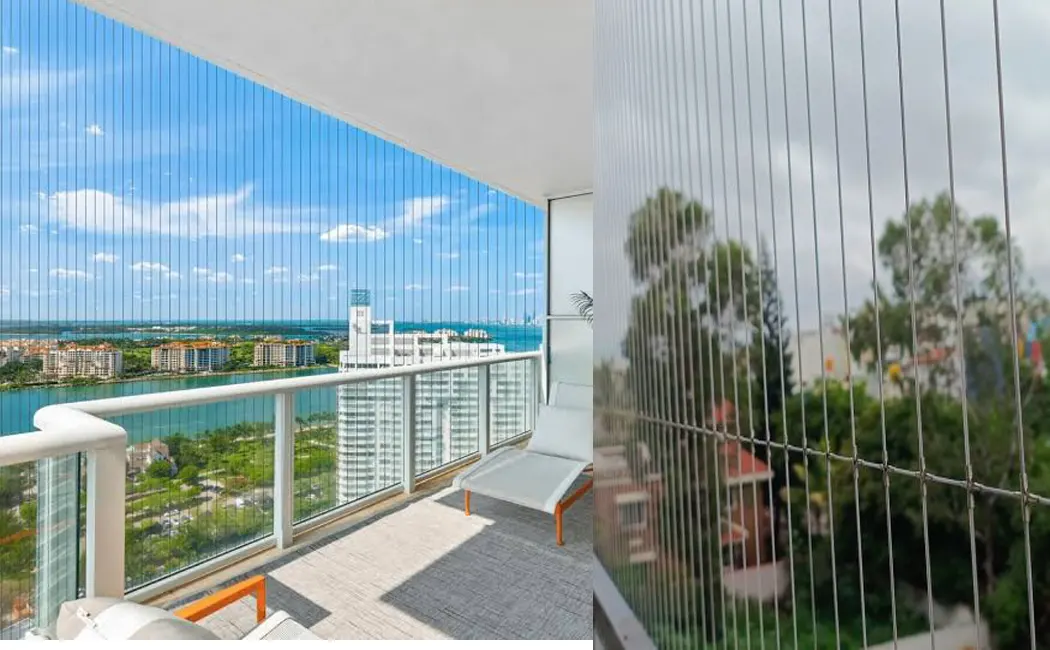
Invisible Grills in Guindy should begin with the real problem at the site. Some customers are trying to stop birds, some are protecting children or pets, some need a usable sports or amenity area, and some want a daily utility upgrade that does not disturb the home. The correct plan depends on how the space is used through the day, where the risk appears, and how the finished work will be maintained.
Guindy jobs need fast coordination for working families, dust-aware protection, compact-site access, and clean installation in residential-commercial surroundings. Invisible grills should preserve the open-view feel while adding predictable stainless-steel cable protection for family safety.
Before quoting in Guindy, DK Safety Solutions should check frame strength, cable spacing, anchor line, wall finish, association rules, view direction, and child or pet safety needs so the material, access method, and timeline match the real site. A useful visit does not stop at measuring width and height. It studies the route of use, the pressure points, the fixing surfaces, and the small details that decide whether the installation keeps working after the team leaves.
Area Use
The Guindy layout decides the right invisible grills scope
Guindy sites can look similar from the outside while needing very different installation choices. One flat may have a simple balcony opening, another may have side gaps and utility ledges, and a community space may need wider coverage for repeated use. The installer should ask how the space is used during drying clothes, supervising children, managing pets, keeping airflow, and using compact utility space, because those routines reveal the real scope.
A rushed estimate can miss the exact point where the problem enters or where safety depends on extra support. The better method is to walk the site, identify the practical route, and decide whether balcony faces, window openings, high-rise edges, view-facing rooms, and refined apartment elevations should be handled together or split into phases. This makes the final quote easier to trust.
Problem Points
The work should solve falls without creating a new inconvenience
Invisible Grills must handle falls, wide railing gaps, pet movement, child reach, low sill height, and unsafe open-view edges. In Guindy, these problems can be affected by floor level, nearby trees, road dust, building age, wind, maintenance access, and the way families or staff use the space. The solution should remove the daily worry while keeping normal movement practical.
The team should point out both obvious and hidden risk points. Corners, pipes, side returns, low ledges, weak surfaces, and service routes often decide the quality of the finished work. A neat installation is not just tidy looking; it is often a sign that the site was understood before fixing began.
Material Choice
Material selection should match exposure, pressure, and daily contact
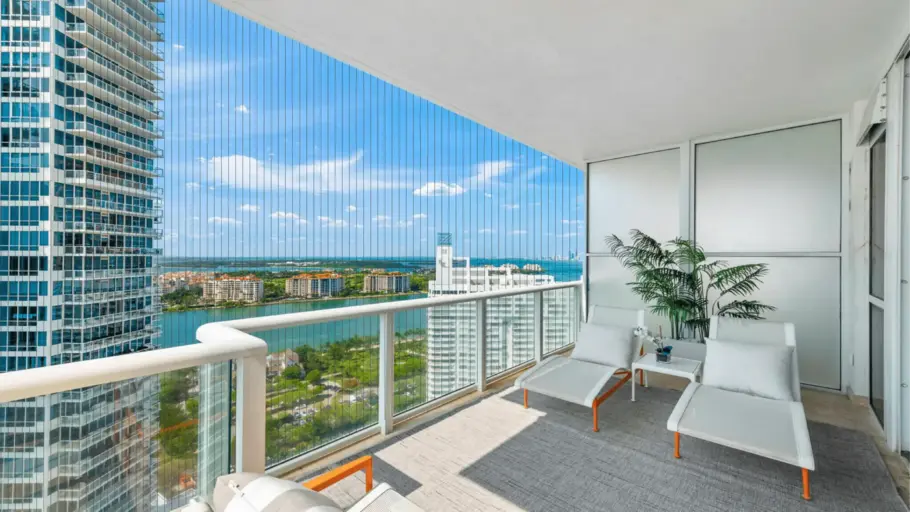
For Guindy, the material should be chosen around marine-grade stainless steel cables, protective coating, measured cable spacing, and strong frame anchoring. Chennai heat, rain, dust, and repeated handling can expose weak material quickly. Customers should ask what grade is being used, how long it is expected to hold shape, and why that choice suits the opening or service area.
The visible finish also matters. Homes want a calm look from inside, apartments need association-friendly exterior lines, and sports or utility areas need material that handles more frequent pressure. The right material is the one that fits the site after practical use is considered, not only the one that reduces the initial price.
Fixing Method
Strong fixing makes the Guindy installation dependable
The fixing method should respect wall strength, frame condition, railing surfaces, ceiling type, floor level, and access limits. In Guindy, older buildings, renovated balconies, compact utility areas, and finished facades may all need different fixing decisions. The team should explain where each anchor or support point will sit.
straight cable lines that look light from inside while giving dependable edge protection for daily family use. That outcome depends on even spacing, tight borders, clean corner treatment, and a clear decision about future maintenance access. Temporary tying or skipped support points may look acceptable for a few days but often create callbacks, sagging, or unfinished edges later.
Access Checks
Cleaning, service work, and future maintenance should stay possible
A good invisible grills installation should not block every future task. Families may need to clean windows, reach drains, service AC units, paint a wall, maintain a pool deck, adjust sports posts, or use a utility space every week. The plan should protect the site while still respecting these future movements.
This is why access questions should be discussed before approval. If a cleaning route or maintenance panel is needed, it should be left neat instead of cut later. In Guindy, where customers may be balancing owner approval, association timing, and daily schedules, access details saves trouble after installation.
Permissions
Apartment, owner, and association rules should be settled early
Guindy customers may need permission for drilling, exterior visibility, work timing, lift use, terrace access, amenity-area work, or rental-home changes. A clear scope helps the customer explain the job before the team arrives. This is especially useful when the work is visible from outside or touches a shared area.
The installer should be able to describe the fixing points, expected time, material color, and whether any surface preparation is required. When the customer, owner, association, or site manager understands the plan, the installation day stays focused on good workmanship instead of last-minute decisions.
Quote Clarity
A useful Guindy quote explains scope, not just rate
Pricing for invisible grills depends on opening size, cable grade, frame method, drilling points, height access, spacing, corner detail, and warranty support. A square-foot or running-foot number alone does not explain whether side gaps, access difficulty, support points, or maintenance needs are included. Customers should compare the written scope as carefully as the amount.
A strong quote should state what is covered, what is excluded, what material is used, how fixing will happen, and what support is available after completion. That level of clarity is especially important when several areas of the same Guindy site need similar but not identical treatment.
Installation Day
The work should be sequenced around safety and daily movement
Before installation begins, the customer should clear fragile items, move furniture, secure pets, protect children from the work zone, and keep parking or access instructions ready. For businesses, schools, sports areas, and associations, work should be timed so regular movement is not blocked unnecessarily.
The team should complete the highest-risk or most-used section first when possible, then move through the rest of the scope in a clean sequence. At the end, the customer should inspect the border, corners, access points, and visible finish. A calm handover is part of a professional installation.
After Care
Maintenance keeps the Guindy service working after the first week
avoid hanging weight on cables, keep corrosive cleaners away, check tension after maintenance, and request service if a cable line changes. The first few days are a good time to notice whether daily use creates pressure on one corner, whether cleaning staff need guidance, or whether another nearby route still needs coverage. Small adjustments are easier before rough habits begin.
Invisible Grills in Guindy should be left to do one job: protect the opening. Avoid tying bags, extra ropes, planters, or heavy hangers to it. If another contractor moves a corner later, have it set back properly so the finish stays firm.