
Why Kelambakkam pool safety needs more than a simple cover
Swimming pool safety nets are requested when families want protection without permanently closing the pool. In Kelambakkam, pools may be part of villas, gated communities, farm-style homes, apartment amenities, or private recreation spaces. The safety requirement changes depending on who uses the pool, how often it is cleaned, whether children play nearby, and whether pets move freely around the deck.
A pool is different from a balcony or terrace because water risk is immediate and the surface changes. A net must be made for span, anchoring, edge access, removability, drainage, and how people walk around the pool. If the installation is awkward to remove or reinstall, families may stop using it properly. If it is too loose, it may not provide the confidence they wanted.
This page explains swimming pool safety nets in Kelambakkam for children, pets, villas, community pools, removable systems, deck condition, cleaning access, and quote comparison. It is an area service entry for this service path, written to support real pool-safety decisions rather than a standard service description.
Water Risk
Pool safety starts with who can reach the water unsupervised
A swimming pool safety net should be matched to access routes. Children may reach the deck from a living room, garden, side path, clubhouse, or villa patio. Pets may move toward the water when people are distracted. The installer should understand how the pool is approached before deciding anchor points and net layout.
Kelambakkam homes often have open outdoor areas where children play between rooms, lawns, and pool decks. The safety net should reduce risk during ordinary household movement, not only during set swimming time. That means the system must be easy enough to use consistently.
Removable Use
A pool net has to be practical to open and close
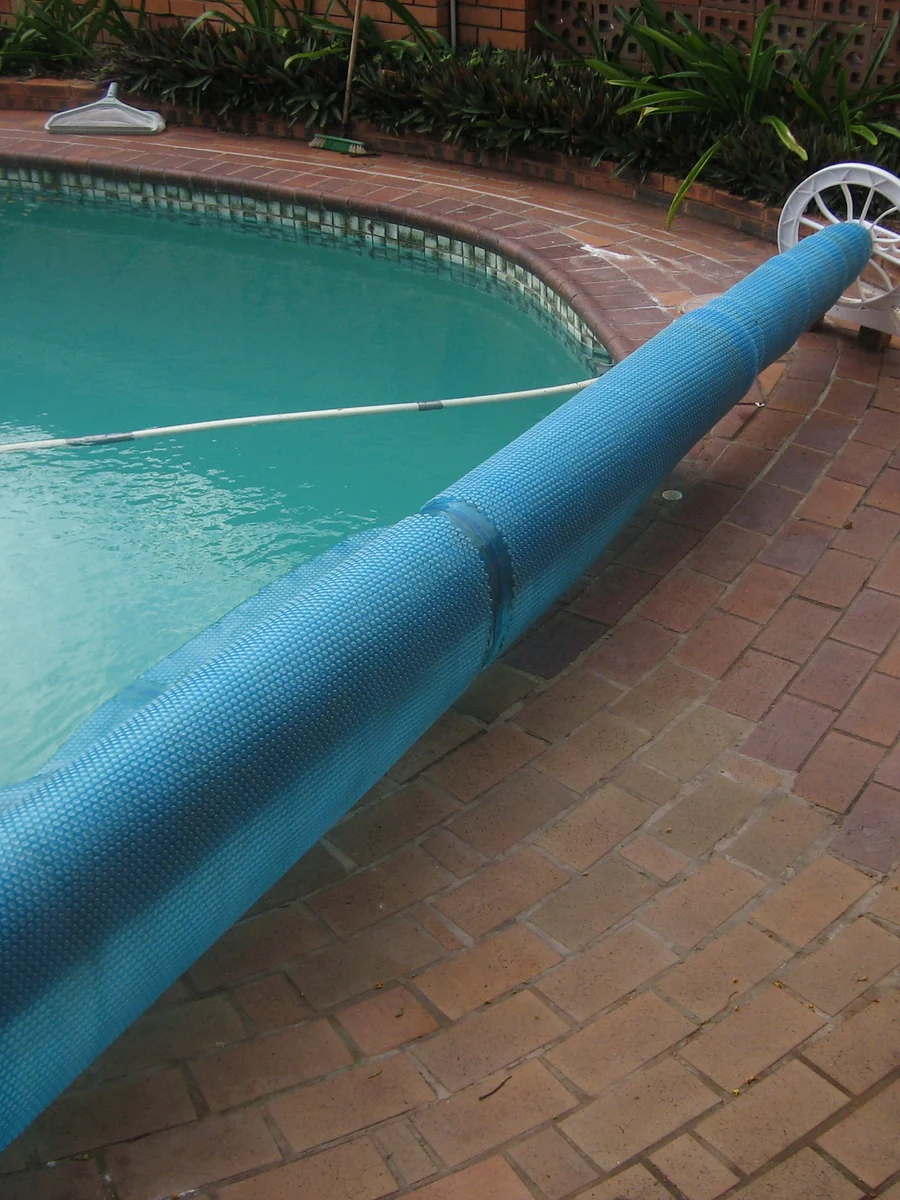
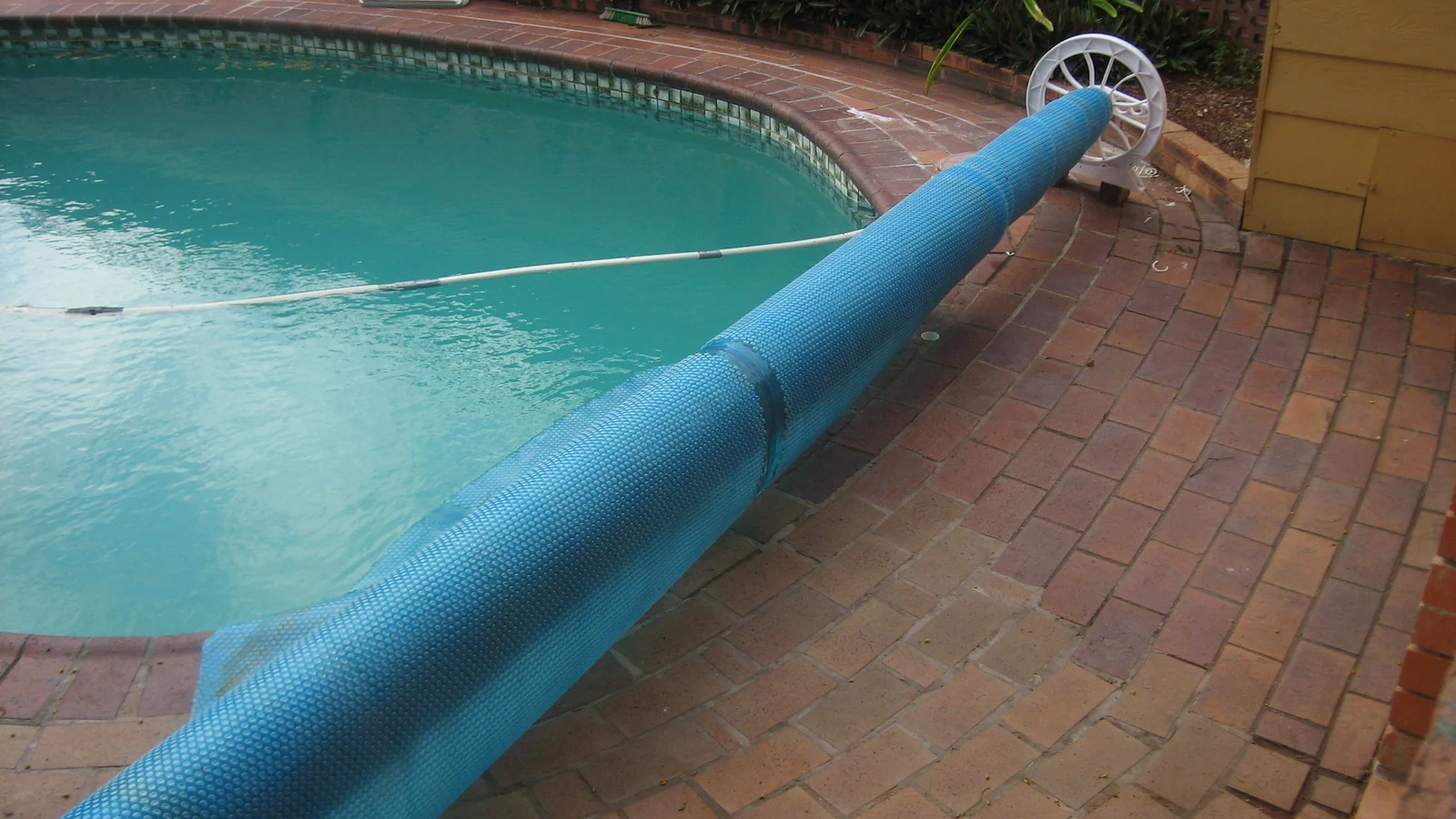
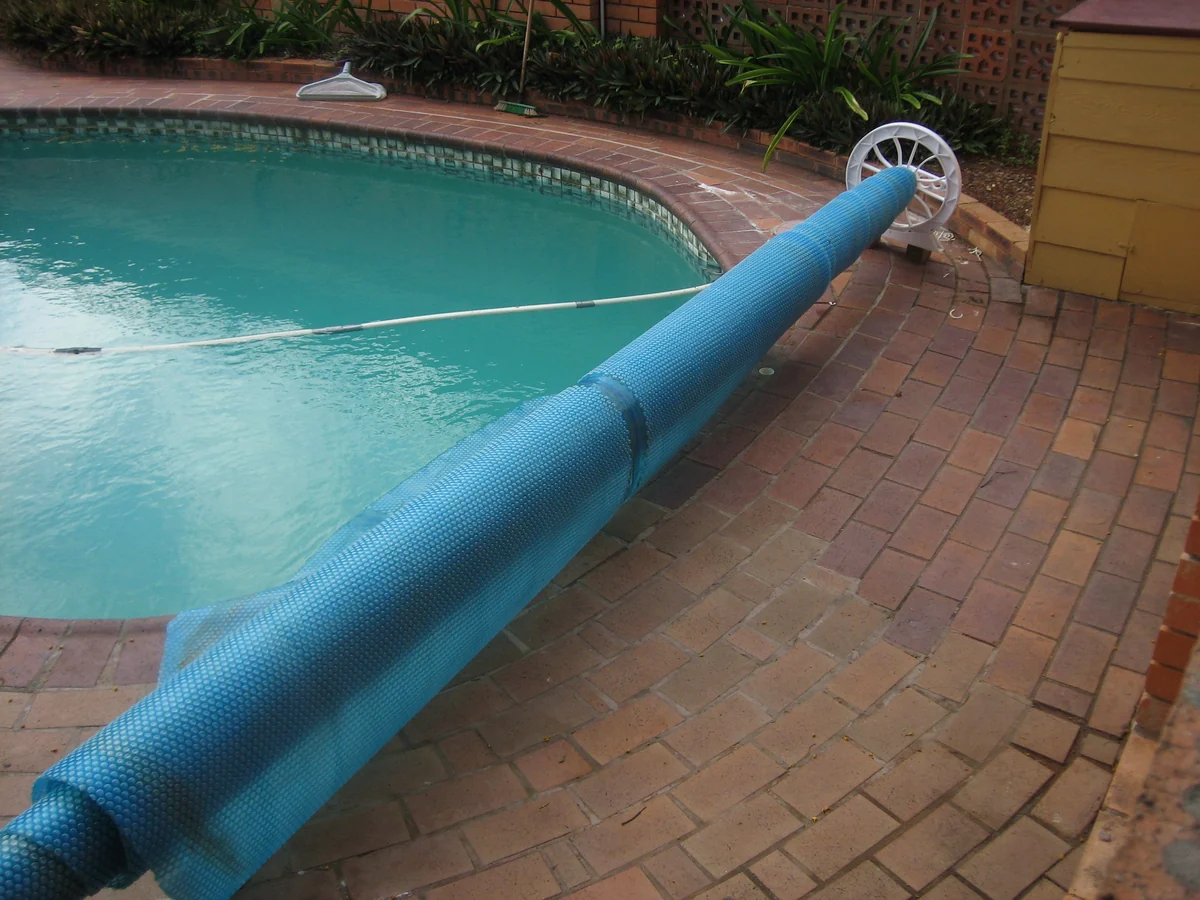
Pool safety nets are only useful when families actually use them. If removing the net is too hard, it becomes a burden. If reinstalling it takes too long, people may leave the pool uncovered after use. The site visit should discuss who will handle the net and how often the pool is used.
A good removable plan considers grip points, anchor spacing, storage during swimming, and safe re-fastening after use. The customer should understand the routine before installation. Safety should fit the household, not depend on a complicated process no one wants to repeat.
Deck Condition
Anchors depend on tile, stone, concrete, and deck edge quality
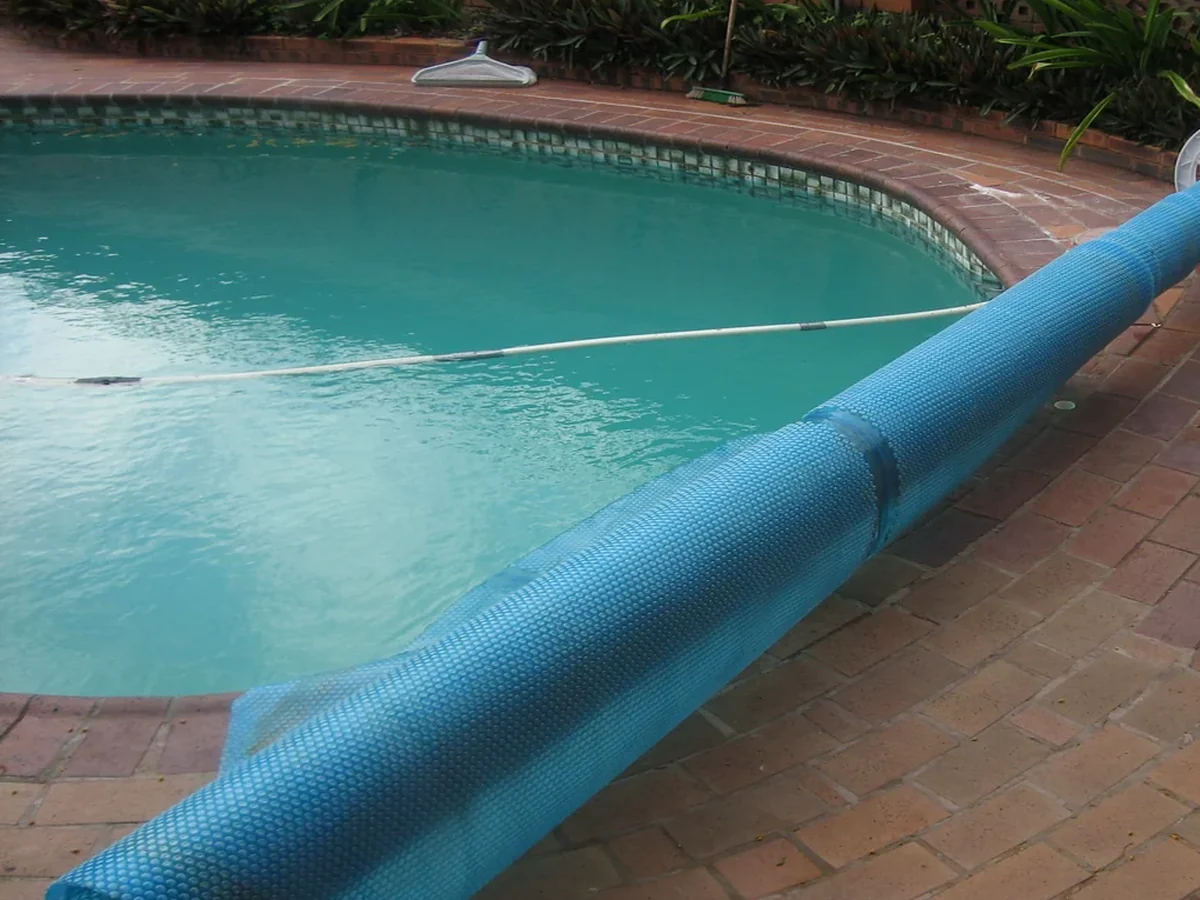
Pool decks may have tile, stone, concrete, pavers, or waterproofed edges. Each surface affects fixing. Weak edges, hollow tiles, cracked corners, or decorative coping can make anchor placement more delicate. The installer should inspect the deck before recommending a fixing pattern.
Good work avoids careless drilling around expensive pool finishes. The anchor line should be strong, neat, and positioned so people can still walk safely. A pool net that creates trip points or damages the deck has not been set correctly.
Children And Guests
Family gatherings make passive pool protection more important
Pools become busier during weekends, functions, school holidays, and family visits. Children who do not normally live in the home may not understand pool rules. A safety net creates a passive layer of protection when supervision is stretched or people move in and out of the house.
This is especially relevant in villa communities where indoor and outdoor spaces connect. The pool may be visible but not constantly watched. A safety system should help the family manage those in-between moments without locking the pool away permanently.
Pets Around Pools
Pool nets should consider dogs, cats, and outdoor movement
Pets may approach pool water out of curiosity, heat, or play. Dogs may run across the deck, while cats may move along edges. A pool safety net should be tensioned and anchored so a pet cannot easily push into a loose section. Pet behavior should be discussed before finalizing the material.
Families should also consider where pets rest, drink water, or chase movement near the pool. If the net is meant to protect pets as well as children, the installer should plan the edge and access routine accordingly.
Drainage And Cleaning
The net should not make pool maintenance harder
Pools need regular cleaning, chemical checks, skimming, and deck washing. A safety net must allow maintenance teams or homeowners to access the water responsibly. If the net traps leaves, blocks equipment, or makes cleaning too difficult, it may be left off more often.
Kelambakkam outdoor spaces may collect dust, leaves, and rainwater debris. Ask how the net should be removed for cleaning and how it should be stored during maintenance. Practical care keeps the safety system in active use.
Community Pools
Apartment amenities need approval and responsibility clarity
For apartment or community pools, approval is essential. Residents, association members, facility teams, and maintenance vendors may all use or manage the pool area. The net plan should define who opens it, who closes it, who checks anchors, and when it is required.
A written scope helps communities discuss safety without confusion. It should explain material, fixing, access, daily routine, and maintenance responsibility. Shared amenities need shared clarity before installation.
Quote Checks
Pool net pricing must include shape, anchors, routine, and finish
Swimming pool safety net cost depends on pool size, shape, deck material, anchor count, removability, access, and whether the pool has steps, curves, corners, or attached shallow zones. A simple rate without inspection may miss important details.
Send pool photos from all sides, close-ups of the deck edge, and measurements if available. The final quote should explain how the net will be used, where anchors will sit, and how maintenance access is handled. That clarity matters as much as price.
Daily Discipline
The safest pool net is the one the family uses every time
A swimming pool safety net can be well made and still fail the household if the daily routine is unclear. Who closes the net after swimming? Who checks it before children play outside? Where is it kept when the pool is open? Kelambakkam villas and communities should answer these questions before installation, because safety depends on repeated use.
The installer should explain the closing sequence slowly and make sure the person responsible can manage it. If staff, family members, or facility teams all use the pool, the routine should be simple enough that everyone follows it. A safety product becomes effective only when it becomes a habit.
Pool Shape Details
Steps, curves, and shallow zones need individual attention
Many pools are not perfect rectangles. Steps, curved corners, planters, deck lights, overflow edges, and shallow children's sections can change the net plan. If these details are ignored, small weak points may remain where the net is hard to tension or easy to disturb.
A proper Kelambakkam pool visit should walk the entire perimeter and mark these details before quoting. The customer should know how each special shape will be handled, especially if children or pets can approach that edge without warning.
Failure Prevention
A pool net should not sag into the water during normal use
Sagging is one of the biggest signs of poor pool net checks. If the net dips too much, collects water, or becomes hard to refit, the family loses confidence. The installer should explain span, anchor spacing, and expected tension clearly before work starts.
Kelambakkam customers should also ask what to do if the net becomes loose after repeated use. Support and adjustment matter because a pool net is handled more often than many other safety systems.