
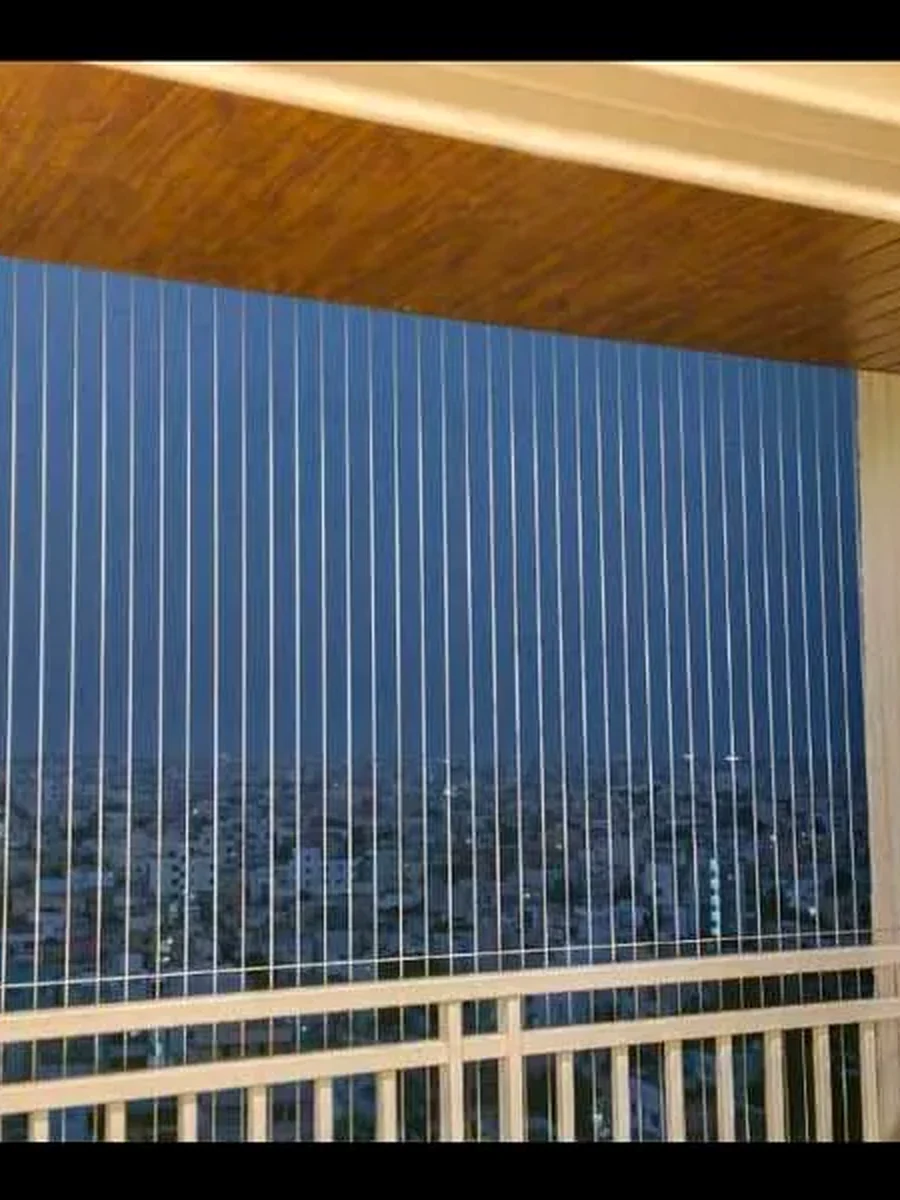
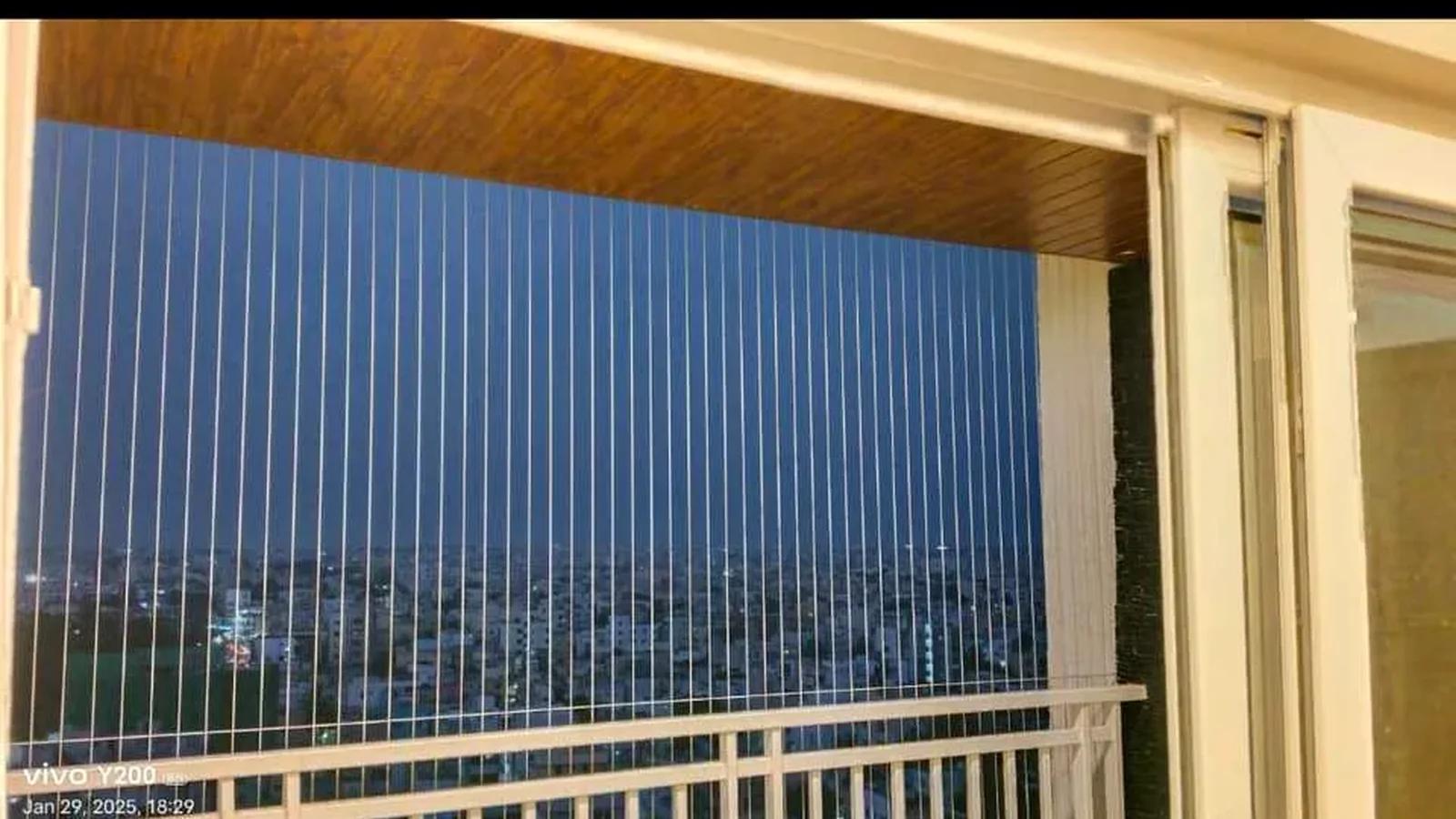
Why Kolathur sites need a clear building covering safety nets plan
Building Covering Safety Nets in Kolathur should begin with the real problem at the site. Some customers are protecting children, some are blocking bird routes, some are securing a shared amenity area, and some are covering a building edge where maintenance or construction activity creates risk. The correct plan depends on how the space is used through the day, where the risk appears, and how the finished work will be maintained after installation.
Kolathur work often needs attention to established Chennai apartments, family homes, visible balcony fronts, and practical service areas that need clean measurement and reliable fixing. That area condition affects how installers carry material, place anchors, handle drilling dust, protect finished walls, and speak with residents, security staff, or association representatives. Building Covering Safety Nets should therefore be treated as a site-specific safety job, not only a square-foot measurement.
Before quoting in Kolathur, DK Safety Solutions should check coverage span, anchor strength, wind exposure, floor count, maintenance route, facade surface, shaft depth so the material, access method, and timeline match the real site. A useful visit studies the route of use, the fixing surfaces, the pressure points, and the small maintenance details that decide whether the installation keeps working after the team leaves.
Area Use
The Kolathur layout decides the right building covering safety nets scope
Kolathur sites can look similar from the road while needing different installation choices. One building may have a simple opening, another may have side returns, service ledges, weak plaster, pipe routes, or a visible facade line that needs extra care. The installer should ask how the space is used during morning cleaning, school rush, evening use, weekend maintenance, and quick phone-based coordination, because those routines reveal the real scope.
A rushed estimate can miss the exact point where the problem enters or where safety depends on extra support. The better method is to walk the site, identify the practical route, and decide whether building facades, open shafts, service sides, atrium edges, temporary construction sides, and renovation elevations should be handled together or split into phases. This makes the final quote easier to trust and reduces rework later.
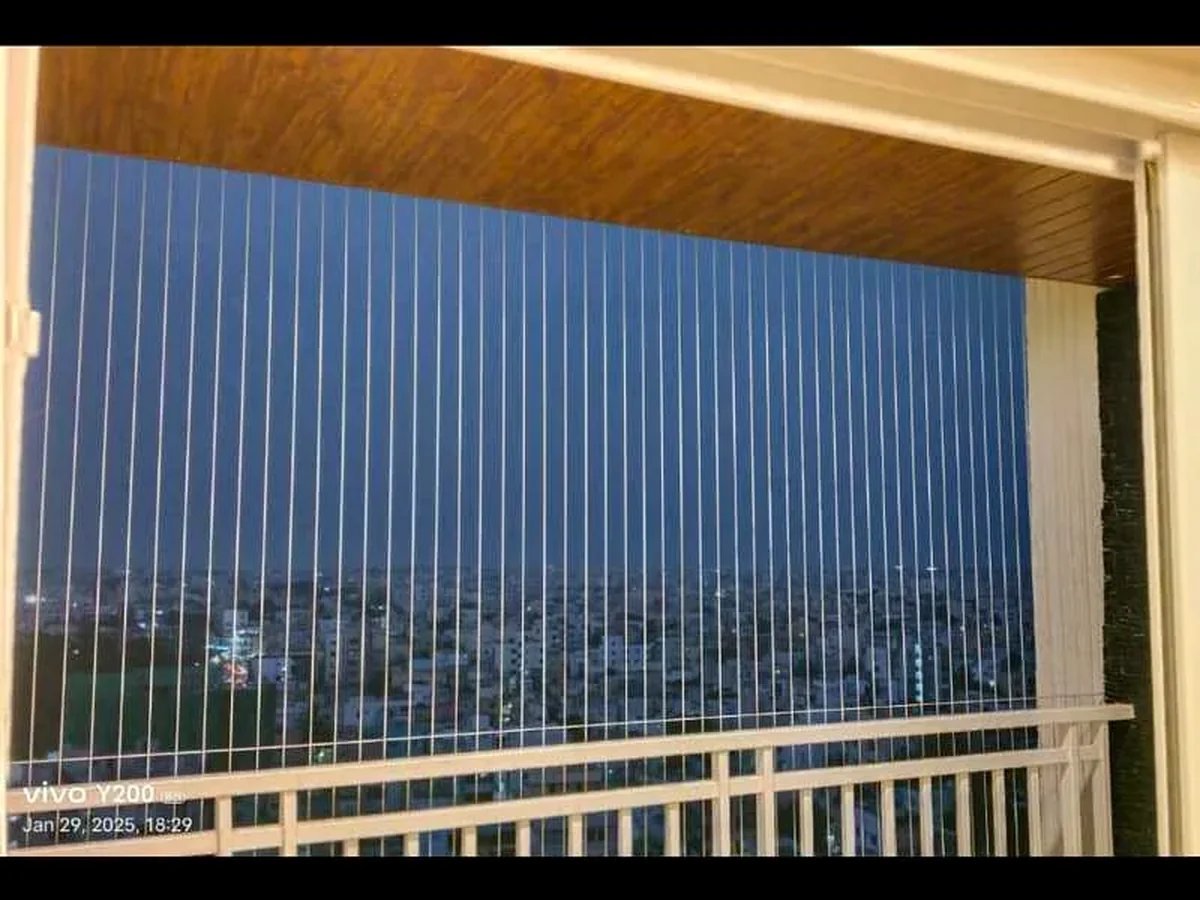
Problem Points
The work should solve falling objects without creating a new inconvenience
Building Covering Safety Nets must handle falling objects, open facade exposure, shaft drops, bird entry, maintenance hazards, and wind-stressed edges. In Kolathur, these problems can be affected by floor level, nearby trees, road dust, building age, wind, maintenance access, and the way families or staff use the space. The solution should remove the daily worry while keeping normal movement practical.
The team should point out both obvious and hidden risk points. Corners, pipes, side returns, low ledges, weak surfaces, and service routes often decide the quality of the finished work. A neat installation is not just tidy looking; it is often a sign that the site was understood before fixing began.
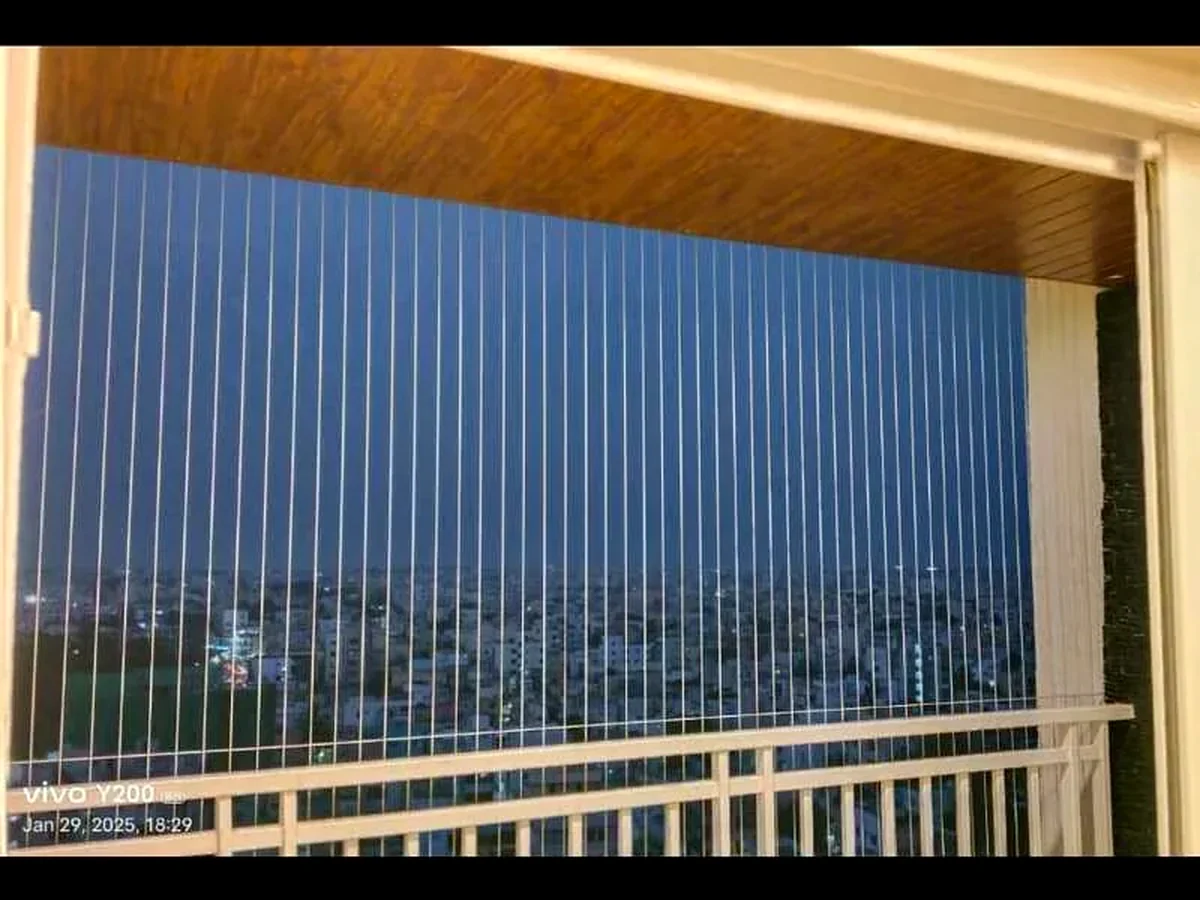
Material Choice
Material selection should match exposure, pressure, and daily contact
For Kolathur, the material should be chosen around heavy-duty building safety mesh, reinforced rope borders, corrosion-aware anchors, and high-floor access details. Chennai heat, rain, dust, and repeated handling can expose weak material quickly. Customers should ask what grade is being used, how long it is expected to hold shape, and why that choice suits the opening or service area.
The cheapest material is not always the lowest-cost choice if it sags, frays, blocks maintenance, or needs early replacement. DK Safety Solutions should explain the difference between temporary coverage and a proper area installation, including border rope, anchor spacing, fixing surface, and the way the material will behave after months of weather and use.
Fixing Method
Anchor checks is the backbone of reliable building covering safety nets in Kolathur
A strong installation depends on where the load is transferred. In Kolathur, older walls, new facade finishes, painted railings, tile edges, parapets, and service shafts can all require different fixing choices. The installer should avoid random drilling and instead choose anchor points that keep the net or cable line tight without damaging useful surfaces.
Good fixing also protects future maintenance. AC service, plumbing work, exterior painting, glass cleaning, and utility checks may still need access. The plan should include how those activities will happen after installation so residents do not cut the net, loosen a corner, or create an unsafe gap.
Quote Clarity
A useful Kolathur quote explains what is included before work starts
A clear quote for building covering safety nets should mention height, width, floor level, access method, material grade, anchor points, wind exposure, and maintenance openings. Without those details, two prices can look comparable while covering different material grades, access difficulty, or finishing standards. A customer should know whether cleaning, removal of old material, extra hooks, high-floor access, or phased work is included.
For associations, builders, and facility teams in Kolathur, written scope matters even more. Shared buildings often need timing windows, lift rules, security coordination, and a predictable completion plan. A proper quote should help the decision maker explain the work to residents instead of leaving every detail to phone calls during installation.
Installation Day
The right installation feels orderly from arrival to cleanup
On installation day, the team should confirm the agreed scope, protect nearby surfaces, keep tools organized, and explain any practical changes before drilling or tying begins. In Kolathur, where many homes and buildings have limited access, this calm process makes a real difference to residents and security staff.
The finished line should be checked from more than one angle. Corners, side gaps, tension, height, door or window movement, pipe clearance, and visual finish should be reviewed before the team leaves. This final inspection is where small issues are easiest to correct.
Maintenance
After-care keeps building covering safety nets working through Chennai weather
After installation, customers should follow a simple care routine: inspect after wind, rain, facade work, or scaffold movement, avoid cutting access gaps, and re-tension after maintenance. Chennai weather can loosen neglected edges, especially after strong wind, rain, exterior repairs, or heavy use. A short check every few weeks is easier than waiting for a corner to fail.
If painters, plumbers, AC technicians, or other contractors open a section, the customer should make sure it is tied back properly. Many failures come from later work rather than from the original installation. DK Safety Solutions should be reachable for small adjustments when the site changes.
Connected Services
Related safety work can be combined during one Kolathur visit
Building Covering Safety Nets is often connected with other requirements such as balcony safety nets, anti bird nets, duct area safety nets, window safety nets, terrace safety nets, invisible grills, bird spikes, sports nets, or cloth hanger installation. When these needs appear in the same building, one measured visit can reduce repeat drilling and help the customer compare priorities clearly.
A combined visit should still keep each service separate in the quote. The customer should know which area is being protected, which material is used, and how each installation will be maintained. That is especially useful for Kolathur apartments, associations, and commercial sites where multiple people approve the work.