
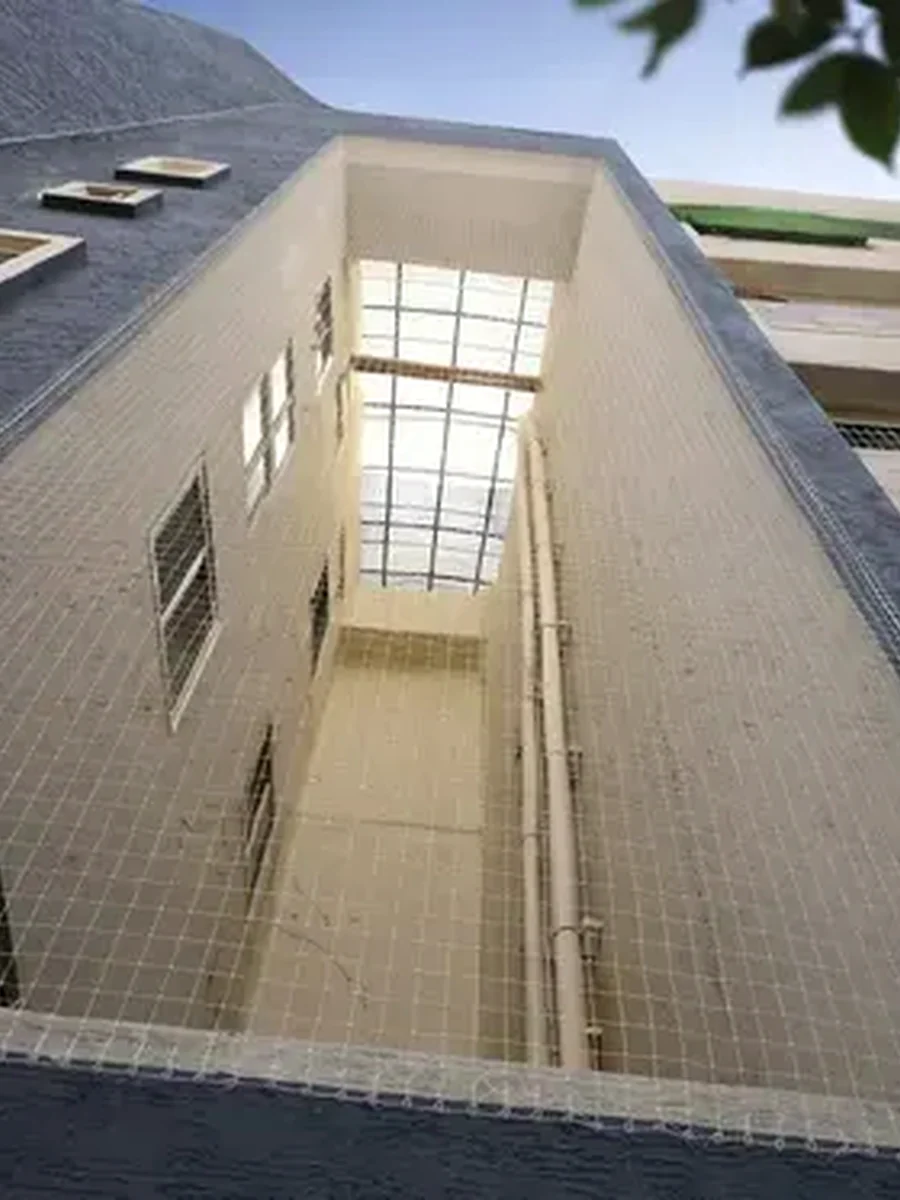
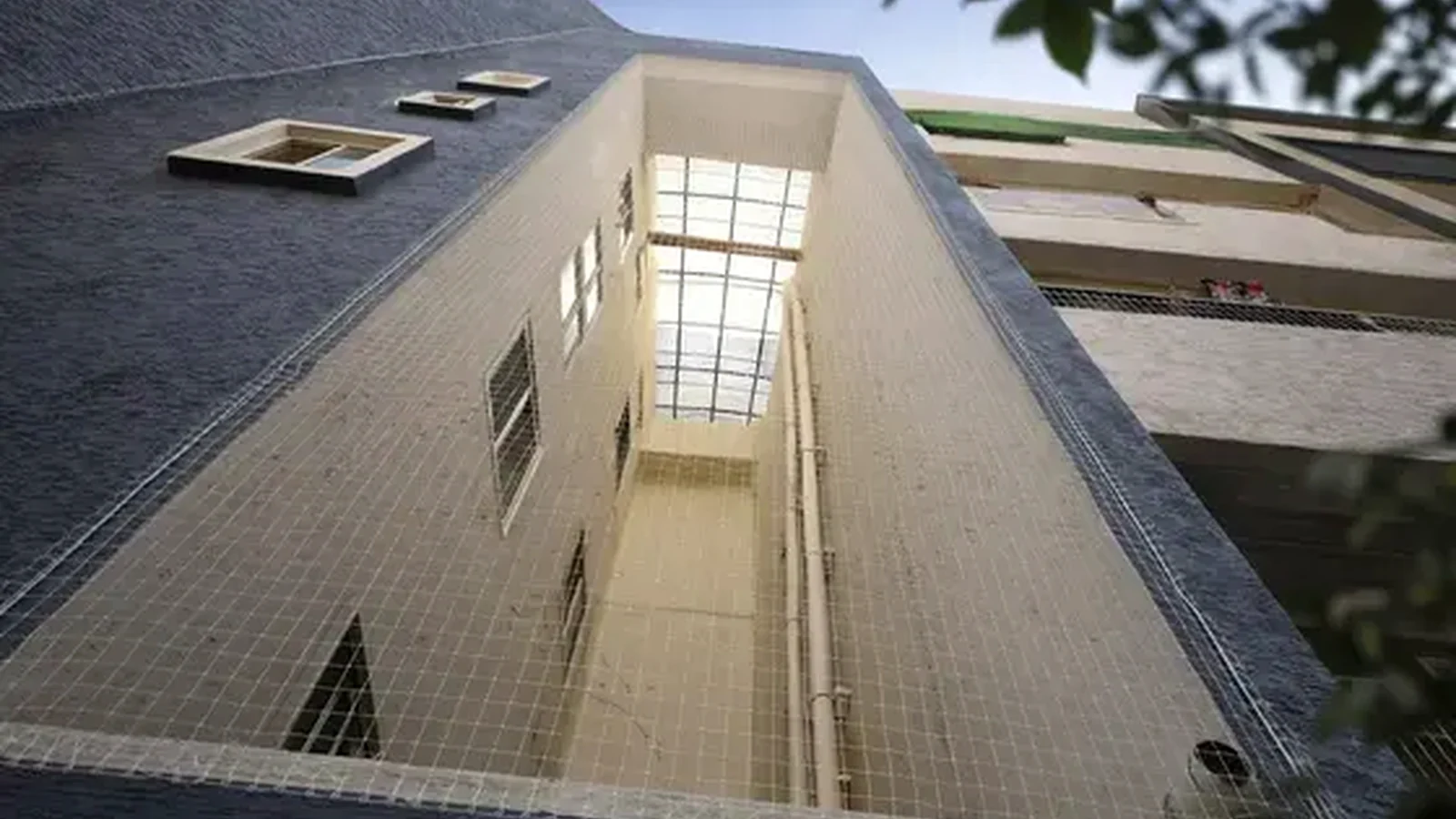
Why Mylapore duct areas need careful safety net checks
Duct areas are easy to ignore because they are not always visible from the main room. In Mylapore apartments, these spaces may hold plumbing, utility lines, AC routes, ventilation gaps, drain pipes, or service access points. They can also become bird shelters, dust traps, and unsafe openings where small items fall or children become curious.
A duct area safety net is different from a balcony net. The space may be narrow, damp, irregular, or shared with other flats. It may need to stay accessible for plumbers, electricians, building staff, or AC technicians. A net that blocks maintenance can create a bigger problem later, while a loosely tied net may fail when birds or debris push against it.
Searches for duct area nets often come from frustration rather than set renovation. A resident may have found pigeon smell in a shaft, waterlogged debris near a drain, objects falling through a service cut, or a child reaching into a dangerous gap. The page must address those practical triggers, because the need is often urgent and specific.
This Mylapore notes explains duct area safety nets for shafts, service voids, utility cuts, bird control, child safety, older walls, drainage access, and quote comparison. It is written for area building conditions rather than pulled from a general balcony page.
Hidden Openings
Duct risk starts where residents stop looking
A balcony is obvious, but a duct opening may sit behind a utility door, beside a kitchen, near a bathroom shaft, or above a service ledge. Mylapore homes with older layouts can have narrow gaps that collect leaves, droppings, and fallen objects. A site visit should inspect the entire opening, not only the easy-to-reach front edge.
The installer should ask what has gone wrong before: birds entering, smell, items falling, children reaching, or maintenance people needing access. That history helps decide whether the net should be fixed permanently, made service-friendly, or combined with bird-control details around the side gaps.
Bird Control
Shafts can become quiet nesting zones if gaps remain open
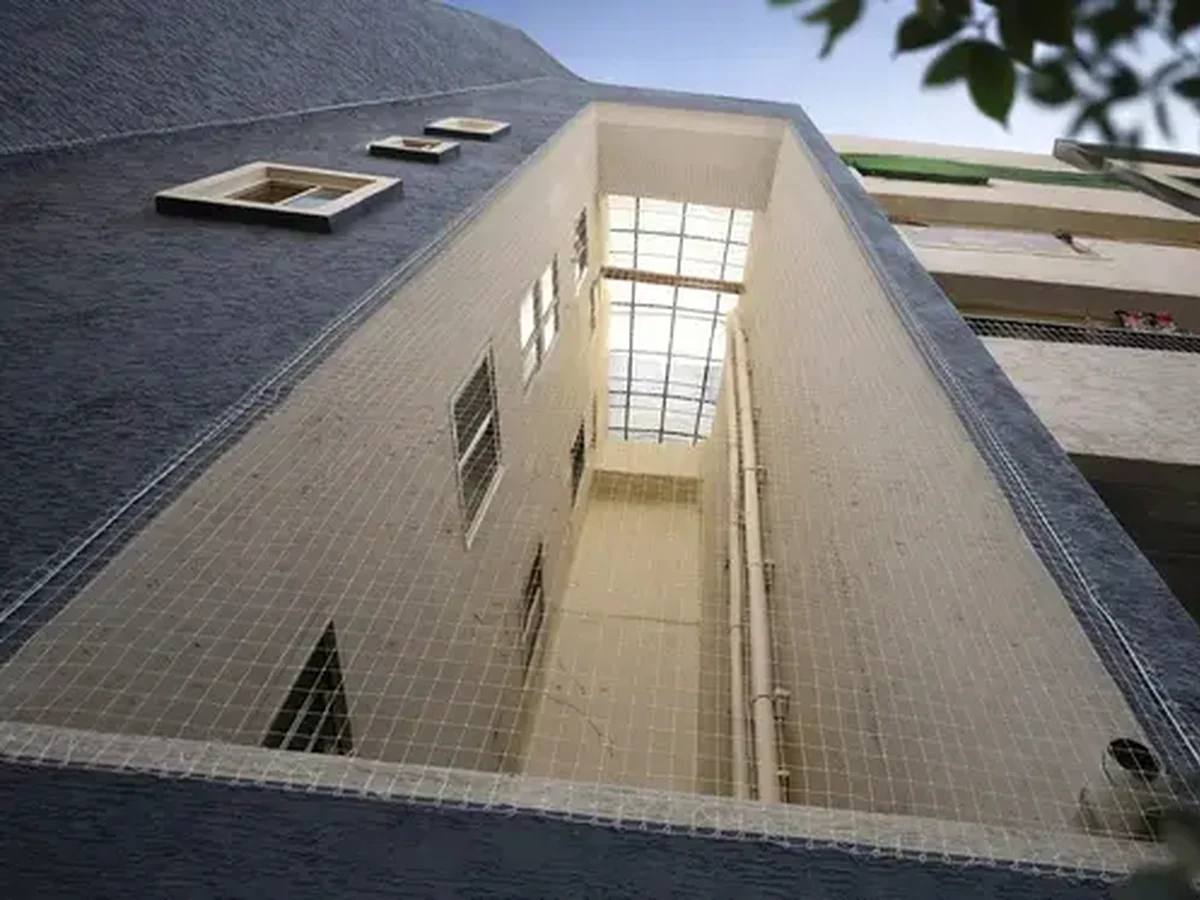
Birds prefer protected spaces, and duct areas often provide shade and low disturbance. Pigeons or smaller birds may enter through a top gap, side slit, pipe route, or service opening. Once nesting starts, droppings and smell can spread through connected spaces. The net should close the real entry point, not only the most visible part.
A good duct net installation avoids loose pockets because birds can push into them or sit on them. The mesh should stay tight and the edges should be secured cleanly around pipes or corners. Bird control inside a duct is successful when the space stops feeling like a shelter.
Maintenance Access
The net must respect plumbing, AC, and service work
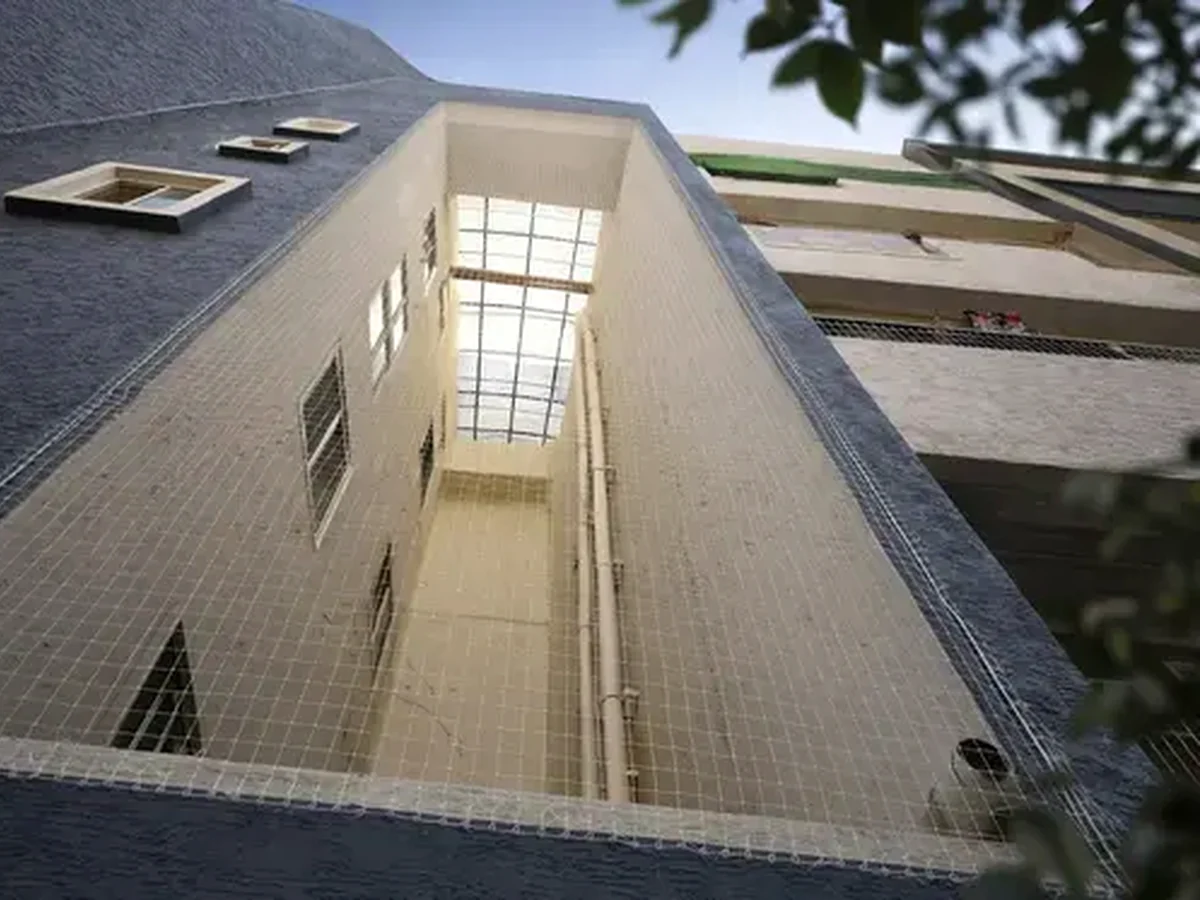
Duct areas often need future access. Plumbers may need to inspect pipes, AC technicians may need to check lines, and building maintenance may need to clear drains. A duct safety net should protect the opening while keeping essential access possible. The installer should discuss this before fixing the mesh.
Some openings can use a set removable section or a fixing method that can be serviced responsibly. Others may need stronger permanent closure. The correct answer depends on the building and what runs through the duct. Maintenance should never be an afterthought.
Child Safety
Utility gaps can attract children because they look unusual
Children may not understand that a shaft or service opening is dangerous. A small door, low parapet, pipe space, or open cut near a utility area can invite curiosity. If the opening is reachable, a safety net should be considered as part of the home's child-protection plan.
Parents should show the installer where children walk, play, or follow adults during chores. In Mylapore homes with compact layouts, a utility area may be close to the kitchen or washing zone. The net should reduce risk without making everyday household work difficult.
Older Walls
Mylapore buildings may need gentle but firm fixing
Older walls, patched plaster, existing hooks, or modified utility areas can affect how the net is fixed. A rushed drill point may crumble or leave a poor finish. The team should inspect surface strength, choose appropriate anchors, and avoid unnecessary damage to painted or tiled areas.
Firm does not mean rough. A good duct net should be secure enough to resist birds and debris, but the installation should still look neat. Even hidden utility spaces deserve clean work because residents and maintenance teams will see the result repeatedly.
Drainage And Moisture
Wet service areas need material that stays stable
Ducts and shafts can hold moisture after rain or plumbing work. Material choice matters because weak mesh may sag, smell, or collect dirt faster. The net should be selected for the environment, not only the opening size. Hooks and border line should also tolerate the conditions.
The installer should avoid creating dirt-catching pockets near drain paths. If water needs to flow or maintenance staff need to clear debris, the net layout should not trap waste. Safety and cleanliness should support each other.
Shared Spaces
Apartment shafts may involve more than one resident
Some duct openings connect visually or physically with neighboring flats. Before installation, residents should check whether building approval is needed and whether maintenance staff need to inspect the area. A net placed in a shared service zone should not create inconvenience for another home.
A written scope helps here. It should mention which side is covered, how the fixing is done, and how service access is handled. This avoids confusion if another resident or building worker later asks why the opening has been closed.
Quote Clarity
Duct net pricing should include access difficulty and service needs
Duct areas can be harder to work in than balconies because they are narrow, awkward, or close to pipes. The quote should account for access, material, fixing method, pipe cutouts, removable sections, and bird-control gaps. A simple square-foot rate may not capture the real work.
Residents should send photos from multiple angles before the visit. Include the opening, pipes, floor area, stains, droppings, and any access door. Clear photos help the installer prepare the correct material and avoid vague assumptions.
Safety Around Utilities
Service nets should avoid electrical and plumbing interference
Some ducts contain electrical conduits, water lines, drain pipes, or AC copper lines. The installer should identify these before drilling or tying. A safety net is meant to reduce risk, so it must not damage a live service line or make a future repair more complicated.
If the duct has exposed wiring, damp patches, or pipe leakage, those issues should be addressed before or alongside netting. The safest job is one where the team understands the utility environment and chooses fixing points responsibly.
After-Service Checks
Duct nets should be rechecked after repairs or heavy cleaning
Maintenance workers may move or disturb a duct net while repairing pipes or cleaning shafts. After any such work, residents should check whether the border remains tight and whether new gaps have appeared. A small opening can allow birds or debris to return.
Ask the installer what kind of adjustment support is available. Duct areas are hidden, so problems can grow quietly. A quick recheck after service work can protect the original investment and keep the area clean.
Residents should also keep a photo record after installation. If a plumber or building worker later opens the area, the photo helps show how the net should be restored. This small habit prevents a hidden service space from slowly becoming unsafe again after routine maintenance or repair visits later safely again properly done well.