
Service overview
Make the terrace layout the starting point
Measure the useful terrace area as well as its perimeter. A staircase enclosure, solar equipment, tank supports and changes in roof level can create separate zones with different access needs. Mark where people actually walk, where maintenance takes place and which openings are causing concern. This gives a much clearer basis for a quote than a single rooftop photograph.
A net does not make an unsuitable roof ready for recreation. The condition of the parapet, structural suitability, drainage and safe access must be considered separately. Netting is also not a waterproof canopy or a substitute for an assessed fall protection system. Describe the intended use clearly before deciding on a vertical boundary, overhead coverage or a combination.
Typical requirements
- Terraces
- Rooftop play
- Open parapets
- Common areas
Important survey checks
- Parapet height
- Wind load
- Access safety
- Drainage points

Choose between boundary and overhead coverage
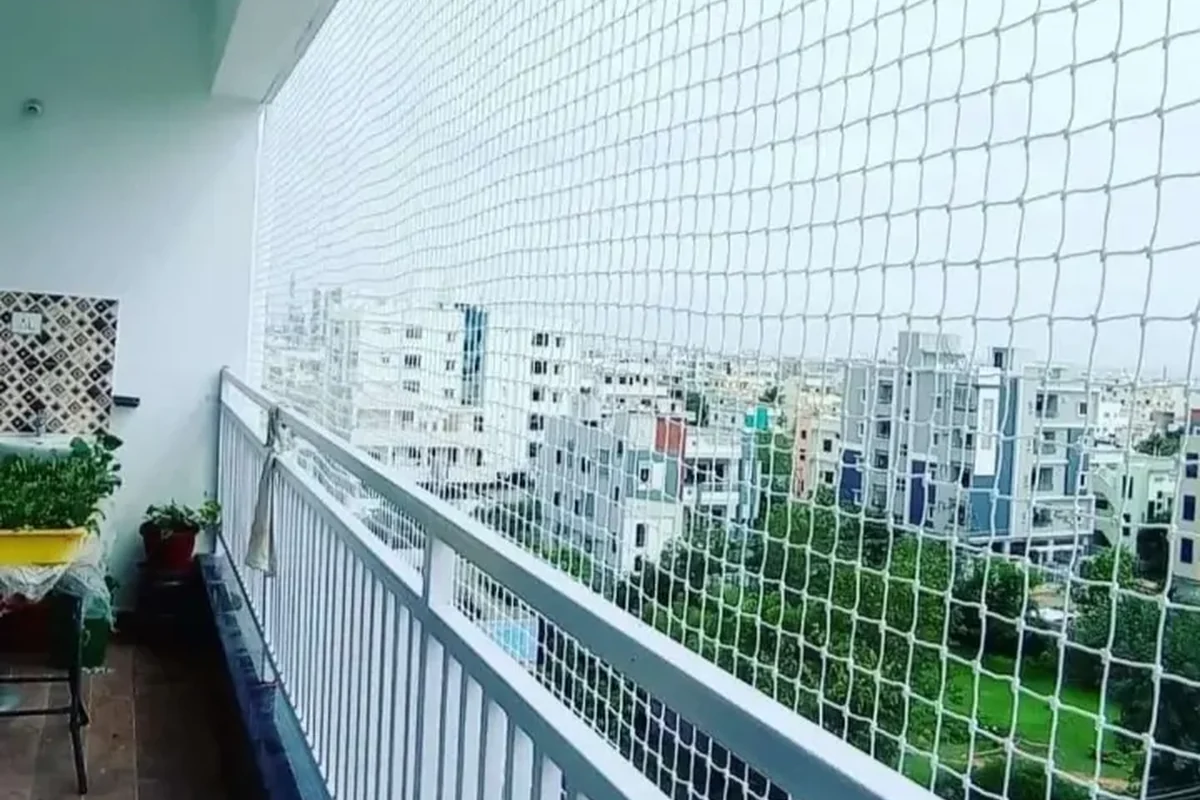
Vertical netting follows the terrace boundary and can address a defined containment or exclusion requirement. Overhead netting closes the space above, which may be relevant to birds or lofted balls when the full enclosure is appropriately designed. The two layouts solve different problems; adding an overhead panel does not automatically improve every terrace installation.
Discuss the complete enclosure, including corners beside the stair headroom and gaps around pipes. A roof panel with open sides will not keep all birds out, and a low side panel may leave a ball escape route. Where the purpose includes protecting people near an edge, have the full boundary arrangement assessed rather than relying on a general net specification.
Preserve everyday use and equipment access
List the routines the terrace must support: moving a clothes rack, carrying plants, cleaning tanks or reaching solar equipment. A net positioned across these routes can become an obstacle that people repeatedly undo. Identify access gates or removable sections at the planning stage, including who will be responsible for restoring them after maintenance.
Keep the net layout clear of hot exhausts, moving machinery, electrical services and items that could abrade it. Avoid using the net or its supports to hang clothes, decorations or storage unless the system has expressly been designed for that additional use. Added weight and repeated pulling can change the installation, even when the original net still looks intact.
Assess parapets, supports and exposed roof conditions
Terrace parapets differ in construction and condition. A fixing approach should be based on the actual substrate and load path, not on the apparent thickness of a finished wall. Let the assessor know about cracking, loose coping, previous repairs or waterproofing concerns. Where extra supports are proposed, their structural suitability and connection to the building need appropriate review.
Open roofs can expose a wide net area to wind. The installer should consider the geometry and exposure, involving a qualified structural professional when needed. Do not attach banners, tarpaulins or shade sheets to a net frame without reassessment, because those additions change what the structure must resist. Agree how penetrations and existing waterproofing will be handled before work starts.
Plan care when the rooftop changes
Terraces change over time as plants grow, equipment is replaced and access routes move. Check that later additions do not press against the mesh, create a climb point beside an edge or block the intended access opening. Keep drains reachable and remove accumulated leaves using a safe method appropriate to the installation; a net should not become a suspended storage area.
Request care guidance for the specified product and arrange inspection after visible damage, severe weather or work on nearby supports. If a terrace shifts from drying clothes to regular sports use, reassess the installation for ball impact and the changed activity. A net suitable for excluding birds is not automatically appropriate for cricket practice or other repeated impacts.
Compare options
Terrace net configurations to discuss
A configuration should follow the intended activity and an assessment of the roof. These options describe layout choices rather than a universal safety rating.
Vertical perimeter panels
- Suitable for
- A defined terrace boundary needing a site-specific containment or exclusion arrangement.
- What to consider
- Review parapet condition, corners, supports and access. A general boundary net must not be assumed to provide certified fall arrest or replace suitable permanent edge protection.
Bird exclusion enclosure
- Suitable for
- An identified terrace zone where bird entry affects drying, planting or routine use.
- What to consider
- Side and overhead routes must be considered together. Preserve ventilation and maintenance access, and check for birds or occupied nests before closing the area.
Sports containment enclosure
- Suitable for
- A roof already assessed as suitable for the proposed recreational activity.
- What to consider
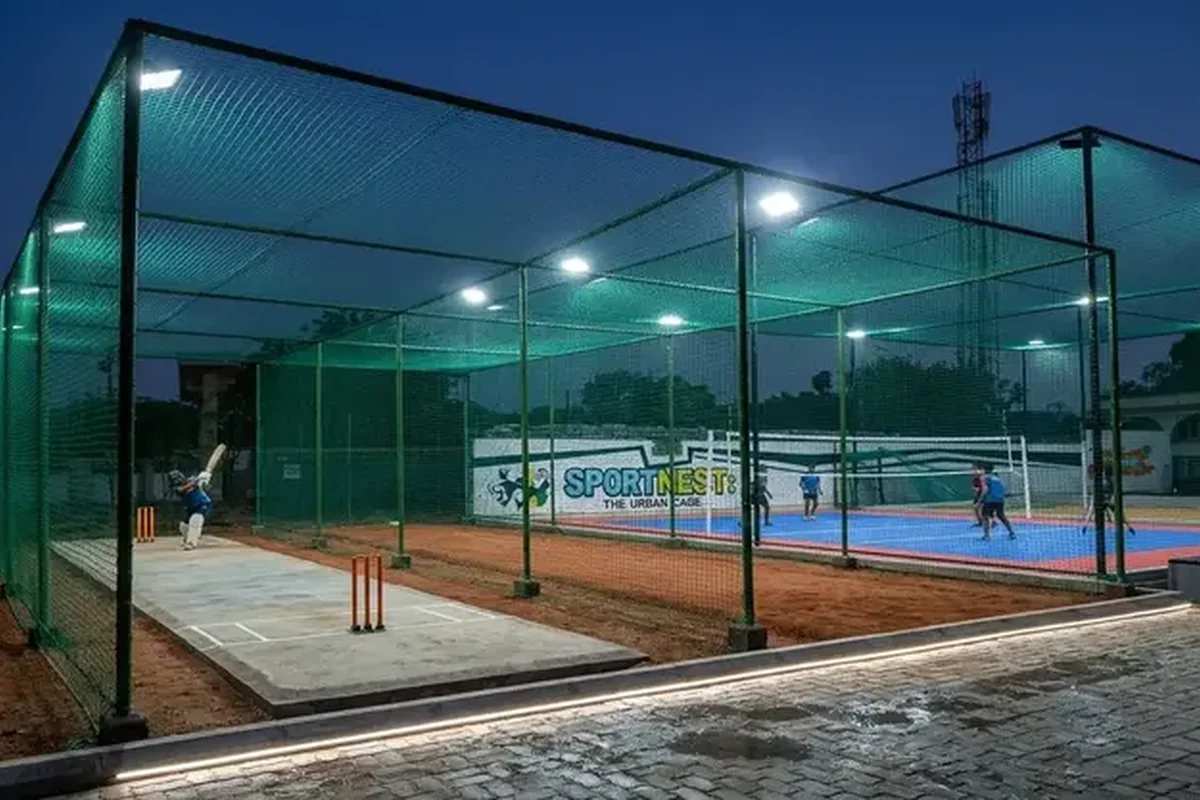
- Select netting and supports for the actual ball and impact pattern. Player space, safe boundaries and neighbours remain separate planning issues beyond keeping the ball inside.
Terrace Safety Nets pricing in Chennai
Terrace safety net cost in Chennai depends on the enclosure layout and the supports needed to achieve it. Ask for a measured proposal that separates net coverage from any additional frame, fixing or repair work.
Boundary and overhead area
The required height, number of sides and any overhead panels determine the coverage. Tank rooms, roof steps and irregular edges can add finishing work beyond the terrace's floor area.
Existing structure
The condition of the parapet and available supports affects the proposed installation. Include any necessary assessment, repair or new support work in the comparison between quotations.
Intended activity
Bird exclusion and repeated ball containment require different specification discussions. The selected product should match the activity, exposure and complete system rather than a colour or thickness preference alone.
Access and detailing
Equipment clearances, service openings, installation access and waterproofing interfaces affect the work. Confirm which finishing tasks and handover instructions are included so the operational details are not missed.
What to confirm in your written quote
- Terrace location, floor level, approximate dimensions and photographs of every boundary.
- The primary purpose and the activities planned inside the covered area.
- Photographs of parapets, existing supports and any cracked or recently repaired areas.
- Positions of tanks, solar equipment, drains and regular maintenance routes.
- The association's requirements and a written scope for supports, access openings and finishing.
Installation planning
From site assessment to handover
- 1
Map the roof and its use
Describe the terrace problem and mark activity zones, boundaries and equipment. Share photographs from safe positions so the initial discussion can distinguish bird exclusion, ball containment and concerns about an open edge.
- 2
Review the proposed supports
Arrange inspection of the fixing surfaces and exposure. Resolve structural or waterproofing questions with the appropriate professional before agreeing to additional frames, penetrations or changes around the parapet.
- 3
Confirm layout and access
Review the sides, overhead panels and service openings in the proposal. Agree the working arrangements with the property representative and make sure routine tank, drain and equipment access remains possible.
- 4
Check use and care at handover
Walk through the agreed arrangement with the responsible resident or manager. Review access closure, visible condition checks and product care, and record who should be contacted if the rooftop use or structure changes.
Local considerations
Planning for your Chennai property
For a shared apartment terrace in Velachery, Medavakkam or Sholinganallur, involve the association early in the layout discussion. Clothes drying, tank access and occasional resident events may compete for the same area, so agreeing the purpose avoids repeated changes after installation.
At a coastal or otherwise exposed roof near ECR, Adyar or Besant Nagar, describe the actual site conditions rather than relying on a standard package. The height, surrounding buildings and condition of supports should inform the review of wind exposure and the complete installation.
For an independent home in Porur, Tambaram or Anna Nagar, photographs of the stairs and roof entrance are useful alongside terrace measurements. Material access, movement past tanks and protection of existing finishes can influence how the work is planned even on a relatively small roof.
Explore the matching service guide for your area, then share the exact property location and access details with your enquiry.
- Anna Nagar
- Adyar
- Velachery
- Tambaram
- Sholinganallur
- Porur
- Ambattur
- Pallikaranai
- Thoraipakkam
- Medavakkam
- Perungudi
- Navalur
Frequently asked questions
Questions about terrace safety nets in Chennai
Should a terrace net cover the sides or the top?
It depends on what you want to contain or exclude. Vertical panels address the perimeter; overhead panels address routes from above when combined with suitable side closure. Share whether the problem is birds, escaping balls or an open edge so the complete layout can be assessed instead of choosing coverage by appearance alone.
Will a terrace net keep rain out?
No. Open mesh netting is not a waterproof roof and should not be presented as a rain shelter. If you also want shade or rain protection, discuss that as a separate design requirement. Attaching a sheet to an existing net or frame changes its loading and needs an appropriate assessment before any alteration.
Does terrace netting make rooftop play safe for children?
Netting alone does not establish that a rooftop is suitable for children's play. The structure, boundary protection, access, hazards and supervision all matter. Explain the proposed activity during assessment, keep climbable objects away from edges and do not treat an ordinary bird or ball net as a verified personnel fall arrest system.
Can a net be installed without damaging terrace waterproofing?
The fixing approach and existing waterproofing need to be reviewed together. There is no universal answer that applies to every parapet or roof surface. Share information about recent waterproofing work and ask the installer to explain proposed penetrations, finishing responsibilities and any preparation or specialist input needed before agreeing to the installation.
Can I use a terrace bird net for cricket practice?
Do not assume it is suitable. Cricket creates repeated ball impacts and potential escape routes that bird exclusion does not address. The ball type, intended shots, available playing space, supports and surrounding property all need reassessment. A terrace also needs to be suitable for the activity independently of the net installed around it.
How will technicians reach tanks and solar equipment?
Identify the maintenance route before finalising coverage. The design may require an agreed access opening or a section that can be professionally removed and restored. Name the person responsible for closing it after use, and avoid later cutting or untying the net without a plan to reinstate the complete enclosure correctly.
What affects the price of terrace safety nets in Chennai?
Coverage area, panel height, overhead sections, existing supports and installation access influence the quote. An irregular roof with tanks and multiple levels differs from an unobstructed rectangle. Compare proposals that describe the same purpose and include the same support, access and finishing work, rather than relying only on a rate per square foot.
When should a terrace net be checked or replaced?
Follow the care and inspection guidance for the installed system and seek assessment after damage, severe weather or nearby building work. Visible broken mesh, loose edges or deteriorated supports need attention. Replacement should follow the condition and product guidance; an advertised lifespan elsewhere does not establish how long your own installation will remain suitable.